Stylish Design Ideas for Modern and Timeless Interiors
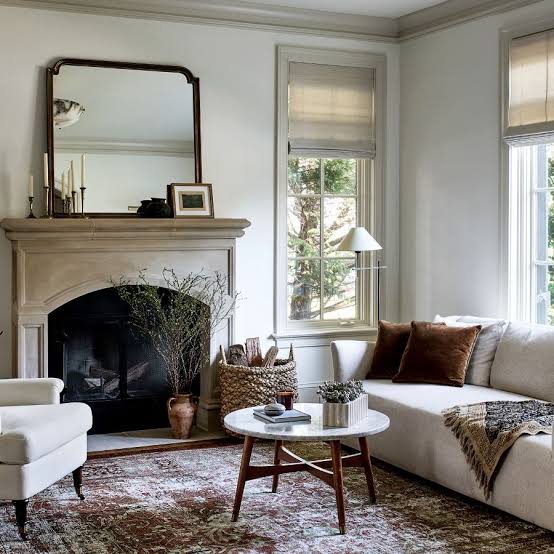
Interior design is not only about choosing attractive furniture and beautiful colors. The surfaces surrounding a room can also influence its character, atmosphere, and visual appeal. Walls, in particular, provide a large canvas for creativity. Instead of relying exclusively on flat paint, homeowners can introduce depth and dimension through Textured Walls.
Textured finishes can make an otherwise simple interior feel more sophisticated and distinctive. They can be subtle enough to complement minimalist spaces or dramatic enough to become the main focal point of a room. When combined with the right colors and decorative elements, textured surfaces offer an effective way to personalize a home.
As part of the Wall Colors & Accent Paints category, textured wall treatments provide an additional design layer that goes beyond traditional color selection. They allow homeowners to experiment with patterns, materials, finishes, and light while creating an interior that feels more complete.
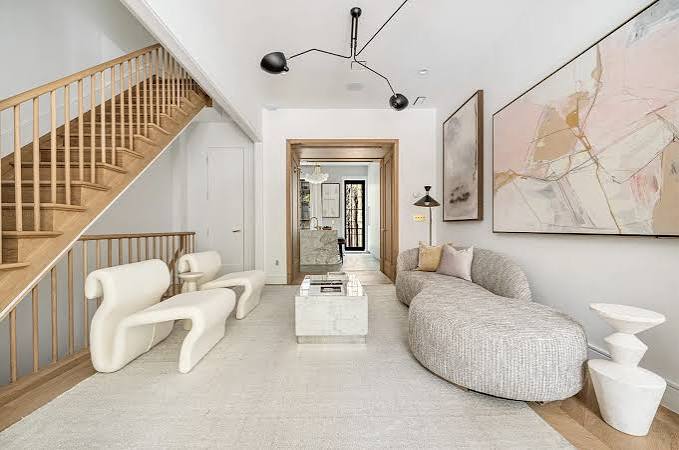
The Appeal of Textured Walls
Smooth painted walls provide a clean and timeless appearance, but texture introduces another visual dimension. Small variations across a surface can create highlights and shadows that change as natural and artificial light moves through the room.
This makes textured finishes especially useful in interiors where homeowners want more character without adding excessive furniture or decoration.
Texture can also help define the identity of a room. A natural stone effect may create an earthy atmosphere, while a refined plaster finish can feel elegant and luxurious. A wood-inspired surface can bring warmth, whereas a concrete finish may support a modern industrial style.
Choosing the Right Texture for Your Style
There are many different approaches to wall texture, and the best choice depends on the overall design concept.
For traditional interiors, decorative plaster, subtle patterns, and classic wall treatments can complement ornate furniture and elegant accessories.
Modern homes may benefit from concrete-inspired finishes, geometric panels, or clean linear textures. Minimalist spaces often look best with subtle textures that add depth without creating excessive visual noise.
For natural or rustic interiors, wood, stone-inspired finishes, woven textures, and earthy surfaces can create a warm connection with natural materials.
Textured Accent Walls
You do not need to texture every wall in a room. In many cases, one accent wall can produce a stronger and more sophisticated result.
A feature wall can be positioned behind a sofa, bed, dining table, television, or fireplace. This gives the room a clear focal point while allowing the remaining walls to stay relatively simple.
Using texture on one wall can also be more practical and cost-effective than treating the entire room. It allows homeowners to experiment with a new design without making the space feel overwhelmed.
Textured Walls in the Living Room
The living room is one of the most popular spaces for introducing wall texture. Because it is often a social and highly visible area, a well-designed feature wall can immediately enhance the room.
A textured surface behind the sofa can create an elegant backdrop for artwork or decorative lighting. A wood panel feature can add warmth to a contemporary room, while a stone-inspired finish can introduce natural character.
For a modern living room, consider combining a textured wall with simple furniture and a limited color palette. This allows the wall itself to become an important design element.
Create a Sophisticated Bedroom
A bedroom should feel comfortable and personal, making it an ideal place for softer textured finishes. One of the most effective options is a textured wall behind the bed.
Vertical panels can emphasize the height of the room, while upholstered or fabric-inspired surfaces can create a cozy appearance. Subtle plaster effects can add sophistication without distracting from the relaxing atmosphere.
Warm neutral colors often work well with bedroom textures. Beige, taupe, cream, and muted gray can allow the surface details to remain visible while maintaining a calm environment.
Add Interest to the Dining Room
Dining areas can sometimes lack architectural detail, particularly in open-plan homes. A textured accent wall can help define the dining zone and give it a stronger visual identity.
A decorative plaster finish can create an elegant background for a dining table and pendant light. Alternatively, wood or stone-inspired textures can create a more natural atmosphere.
Lighting should be considered carefully because pendant lights and wall fixtures can emphasize surface patterns and create attractive shadows.
Texture for Entryways and Hallways
Entryways and hallways are often overlooked when planning wall décor. However, these spaces create the first impression of a home and can benefit significantly from texture.
A subtle textured finish can make a narrow hallway more interesting without requiring additional furniture. Vertical designs may also create the impression of greater height.
For an entryway, a textured wall can provide an attractive background for a console table, mirror, artwork, or decorative lighting fixture.
Combine Texture With Color
Texture and paint can work together to create a more dynamic result. Instead of treating color and surface finish as separate decisions, consider how they interact.
Light colors can make subtle textures feel delicate and understated. Darker shades can emphasize raised surfaces by creating stronger contrasts between highlights and shadows.
This makes textured finishes a natural extension of Wall Colors & Accent Paints. Homeowners can use a neutral color with a subtle texture for an elegant look or combine a dramatic color with a bold surface for a stronger statement.
Neutral Textures for Timeless Interiors
Neutral colors are particularly effective when paired with textured surfaces. Shades such as ivory, cream, beige, taupe, and soft gray allow the texture to become the main source of visual interest.
This approach is useful for homeowners who want a sophisticated interior without relying on bright colors.
For example, a warm beige plaster wall can create subtle depth behind a neutral sofa, while a light gray textured panel can complement contemporary furniture and metallic accessories.
Use Lighting to Enhance the Surface
Lighting is one of the most important elements when designing Textured Walls. The direction and intensity of light can dramatically affect how texture appears.
Light positioned close to the surface can emphasize raised areas and create shadows, making the pattern more noticeable. Softer ambient lighting can produce a more subtle effect.
Wall sconces, recessed lights, spotlights, and concealed LED lighting can all be used to highlight texture. Before finalizing the wall treatment, consider where existing and planned lighting will fall on the surface.
Balance Texture With Other Decorative Elements
A textured wall can become a strong visual feature, so the rest of the room should be planned accordingly. If the wall has a complex pattern, simpler furniture and accessories may create a more balanced appearance.
On the other hand, subtle textures can coexist with patterned rugs, decorative cushions, artwork, and statement furniture.
The goal is not to eliminate visual interest but to distribute it carefully throughout the room.
Combine Textured Walls With Natural Materials
Texture becomes even more effective when paired with materials that have their own tactile qualities. Wood, stone, leather, linen, wool, rattan, and ceramics can all complement a textured surface.
A wood-textured wall with linen furniture can create a relaxed natural interior. A concrete-inspired wall with metal and glass can produce a contemporary industrial atmosphere.
Combining different materials creates layers that make the interior feel richer and more thoughtfully designed.
Practical Considerations Before Installation
Before choosing a textured finish, consider durability, cleaning requirements, and the location of the wall. Highly raised surfaces can be more difficult to clean because dust may collect within the pattern.
High-traffic areas may require durable finishes that can tolerate regular contact. In kitchens and bathrooms, moisture resistance should also be considered.
For complicated plaster techniques, custom panels, or specialized finishes, professional installation may provide a cleaner and more consistent result.
Final Thoughts
Textured Walls offer a creative way to add depth, dimension, and personality to residential interiors. From subtle plaster effects and elegant panels to wood and stone-inspired surfaces, there are options for almost every design preference.
As part of Wall Colors & Accent Paints, textured treatments provide more than a simple change of color. They combine surface, light, and tone to create walls that can become meaningful features within a room.
Whether used as a single accent wall or incorporated throughout an interior, the right textured finish can complement furniture, enhance lighting, and create a sophisticated atmosphere that remains visually appealing over time.