How to Build a Stylish and Timeless Interior
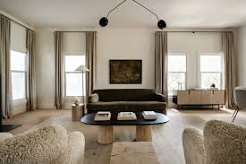
A well-designed room begins with a strong foundation, and the walls play a major role in establishing that foundation. The right paint color can influence the atmosphere, highlight furniture, and change how large or bright a room appears. For homeowners who want a versatile and sophisticated backdrop, Neutral Wall Colors remain one of the most dependable choices.
Neutral shades are not limited to plain white or basic beige. Today's palettes include sophisticated creams, warm taupes, soft grays, greige, muted browns, and many other understated tones. As an important part of the Wall Colors & Accent Paints category, these shades can support a wide range of interior styles while giving homeowners the freedom to introduce personality through furniture, artwork, lighting, and accessories.
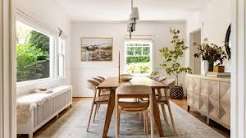
Why Neutral Walls Work in So Many Homes
The biggest strength of neutral paint is adaptability. A neutral wall does not compete with the other elements in a room. Instead, it creates a background that allows furniture and décor to become the focus.
This makes neutral paint especially useful when decorating around existing furniture. If you already have a patterned sofa, colorful artwork, dark wood furniture, or decorative accessories, a neutral wall can help bring everything together.
Neutral colors are also less likely to become visually overwhelming over time. While strong trends can change quickly, classic neutrals can remain attractive through different design phases.
Different Types of Neutral Shades
There is no single definition of a neutral wall color. Different neutral families can create completely different moods.
Warm neutrals include cream, beige, sand, tan, and warm taupe. They tend to create a welcoming and comfortable atmosphere.
Cool neutrals include soft gray, blue-gray, and certain stone shades. They often create a clean and contemporary appearance.
Balanced neutrals sit between warm and cool palettes. Greige is a popular example because it combines characteristics of gray and beige.
Understanding these categories can make it easier to choose a color that complements the existing interior.
Neutral Paint for Open-Plan Interiors
Open-plan homes can benefit greatly from neutral walls because the same color family can connect different functional areas. Instead of using unrelated colors throughout the space, homeowners can choose one neutral shade and introduce variations through furniture and accessories.
For example, a soft greige can connect a living room and dining area while allowing each zone to have its own personality. Rugs, furniture arrangements, lighting, and decorative elements can define the individual spaces without breaking visual continuity.
This approach can make an open interior feel more organized and cohesive.
Make a Living Room Feel More Inviting
The living room is one of the most versatile areas of a home, so choosing a flexible wall color can make decorating easier. Warm beige can create a cozy setting, while soft gray can give the room a contemporary appearance.
Creamy neutrals can work particularly well with traditional furniture and natural wood. For a more modern look, pair a light neutral wall with black accents, simple furniture, and metallic details.
The key is to select a shade that supports the furniture rather than competing with it.
Create a Peaceful Bedroom
Bedrooms should feel comfortable and relaxing, which makes soft neutral shades a natural choice. Colors such as warm white, taupe, beige, and muted gray can create a calm background for bedding and furniture.
Instead of relying on a single shade throughout the room, consider layering several related neutrals. A warm beige wall can be paired with cream bedding, light wood furniture, and darker brown accessories.
This creates depth without introducing excessive contrast.
Use Neutral Colors in the Kitchen
Kitchens often contain multiple finishes, including cabinets, countertops, backsplashes, appliances, and hardware. A neutral wall can help these elements work together.
Soft white can create a bright appearance, while beige and greige can add warmth. Gray can complement contemporary cabinets and metallic hardware.
If the kitchen already contains strong colors or patterns, choosing a subtle wall shade can prevent the overall design from becoming visually crowded.
Neutral Colors Can Improve Small Rooms
Light neutral colors can help small spaces feel more open. Shades with higher light reflectance can bounce natural and artificial light around the room, making walls appear less visually heavy.
Soft white, pale cream, light beige, and delicate gray are common choices for compact bedrooms, hallways, bathrooms, and home offices.
However, a small room does not automatically require a pale color. A deeper neutral can create a cozy, intimate effect when paired with suitable lighting and carefully selected furniture.
Add Personality With Accent Colors
One of the best features of Neutral Wall Colors is their ability to work with stronger accents. Instead of painting every wall a bold shade, you can use neutral paint as the main background and introduce color selectively.
This approach fits naturally within Wall Colors & Accent Paints. A neutral room can feature an accent wall in deep green, navy, terracotta, charcoal, or another statement shade.
Accent colors can also come from furniture, artwork, curtains, cushions, rugs, and decorative objects. This allows you to refresh the appearance of the room without changing the main wall color.
Pair Neutral Walls With Natural Materials
Neutral paint looks especially attractive when combined with natural materials. Wood, stone, linen, rattan, leather, wool, and ceramics can all add warmth and texture.
For a relaxed interior, combine beige walls with light oak furniture and woven accessories. For a more luxurious appearance, pair warm gray or taupe walls with marble, velvet, glass, and metallic accents.
Because neutral shades are understated, they allow the natural characteristics of these materials to become more visible.
Think About Undertones
Undertones are one of the most important considerations when choosing neutral paint. A shade that looks beige on a color card may have yellow, pink, or gray undertones that become more obvious on a large wall.
Similarly, gray can have blue, green, or violet undertones. These subtle characteristics can influence whether the color feels warm or cool.
Always compare paint samples with the room's flooring, furniture, trim, and natural light before making a final decision.
Lighting Changes the Appearance of Neutral Paint
The same neutral color can look dramatically different throughout the day. Natural sunlight may make a shade appear brighter, while warm artificial lighting can make it look richer.
Rooms facing different directions can also produce different results. This is why it is useful to observe a paint sample in the morning, afternoon, and evening.
Lighting fixtures should also be considered. Warm bulbs can enhance beige and cream tones, while cooler bulbs may emphasize blue or gray undertones.
Create Sophistication Without Overcomplicating the Design
Neutral interiors are often associated with simplicity, but simplicity does not have to mean boring. The secret is to create variation through shape, texture, materials, and proportion.
Wall molding, decorative panels, artwork, mirrors, architectural niches, and layered lighting can all add interest to neutral walls.
A combination of matte paint, textured fabrics, polished furniture, and natural wood can create a sophisticated interior even when the color palette remains simple.
Final Thoughts
Neutral Wall Colors provide a versatile foundation for almost every type of interior. Their ability to complement different furniture styles, materials, lighting conditions, and accent shades makes them a practical choice for both homeowners and designers.
Whether you prefer warm beige, soft cream, contemporary gray, elegant taupe, or adaptable greige, neutral paint can help create a cohesive and timeless atmosphere. As part of Wall Colors & Accent Paints, these shades also provide the perfect canvas for experimenting with stronger colors and decorative details.
With careful consideration of undertones, natural lighting, room size, and existing furnishings, you can choose a neutral wall color that feels sophisticated, comfortable, and easy to personalize for years to come.