Neutral Wall Colors: Elegant and Versatile Ideas for Modern Interiors
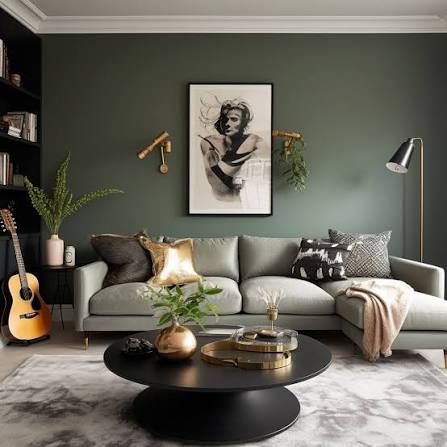
The color of your walls has a powerful influence on the way your home looks and feels. While vibrant shades can create eye-catching interiors, neutral tones offer a timeless alternative that can adapt to changing trends, furniture styles, and personal preferences. Neutral Wall Colors are especially popular among homeowners and interior designers because they create a balanced backdrop while allowing furniture, artwork, textures, and accessories to become part of the overall design.
Within the Wall Colors & Accent Paints category, neutral shades are among the most versatile choices. They can make a room feel brighter and more spacious, create a relaxing atmosphere, or provide an elegant foundation for dramatic accent colors. Whether you are decorating a new home or refreshing an existing interior, choosing the right neutral shade can have a lasting impact.
Understanding Neutral Wall Colors
Neutral colors are not limited to plain white walls. The category includes a wide range of shades such as ivory, cream, beige, taupe, gray, greige, soft brown, and muted off-white. Some neutrals have warm undertones, while others have cool or balanced undertones.
This distinction is important because the same basic color can produce very different results depending on its undertones. A beige with yellow or red undertones may feel warm and inviting, while a gray with blue undertones can create a cooler and more contemporary appearance.
Understanding these differences makes it easier to select a shade that works with your existing furniture and lighting.
Why Neutral Colors Remain Popular
One of the greatest advantages of neutral paint is its flexibility. A neutral wall can work with classic furniture, contemporary sofas, minimalist decorations, rustic wood pieces, or luxurious metallic accessories.
Neutral shades also make it easier to update a room without repainting. You can change your curtains, rugs, cushions, artwork, or decorative accessories while keeping the same wall color.
This adaptability makes neutral paint particularly useful for homeowners who enjoy refreshing their interiors as design trends change.
Warm Neutrals for Comfortable Interiors
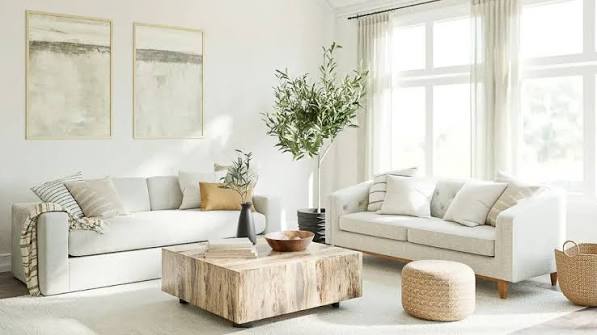
Warm neutral shades can make a room feel welcoming and comfortable. Colors such as creamy white, beige, sand, caramel, and warm taupe are excellent options for spaces where relaxation is important.
In a living room, warm neutral walls can complement wooden furniture, upholstered sofas, woven accessories, and warm lighting. In a bedroom, they can create a soft environment that feels calm and comfortable.
Warm neutrals are also useful in homes with traditional or transitional interiors because they work naturally with wood finishes, classic furniture, and decorative details.
Cool Neutrals for Contemporary Spaces
If your interior has a modern or minimalist aesthetic, cool neutrals may be more suitable. Soft gray, stone, and gray-beige shades can provide a clean and sophisticated backdrop.
Cool neutrals pair well with black furniture, glass surfaces, chrome details, contemporary artwork, and simple architectural features. They can also create a sense of visual order in rooms where the furniture has strong geometric shapes.
However, cool colors should be tested carefully in rooms with limited sunlight. Without enough natural light, some cool shades may appear darker or colder than expected.
The Growing Appeal of Greige
Greige is a particularly versatile neutral because it combines characteristics of gray and beige. It offers the contemporary appearance of gray while maintaining some of the warmth associated with beige.
This balance allows greige to work with a wide variety of furniture finishes. It can complement natural wood, white furniture, dark accents, metallic accessories, and colorful decorative pieces.
Greige can also be an excellent choice for open-plan interiors because it provides a consistent background between different areas without feeling too plain.
Choosing Neutral Colors for the Living Room
The living room often contains multiple furniture pieces, decorative accessories, and sources of color, making a neutral wall a practical choice.
Light beige or creamy white can make the room feel bright and welcoming. Soft gray can create a modern atmosphere, while deeper taupe can add a sense of sophistication.
To avoid making the space look flat, introduce different textures through rugs, cushions, curtains, furniture upholstery, and artwork. A neutral wall becomes much more visually interesting when it is surrounded by materials with different finishes.
Creating a Relaxing Neutral Bedroom
Bedrooms are ideal spaces for soft Neutral Wall Colors because these shades can create a peaceful environment without excessive visual stimulation.
Warm whites, light taupes, muted beige, and soft gray can work beautifully with upholstered beds, wooden nightstands, textured bedding, and subtle decorative accessories.
For a layered appearance, choose several related neutral shades rather than trying to match everything perfectly. For example, a warm beige wall can be paired with cream bedding, light brown furniture, and slightly darker decorative elements.
Making Small Rooms Feel Larger
Neutral paint can also help improve the visual appearance of small rooms. Light colors reflect more light and can make walls appear less visually dominant.
Soft white, pale beige, and light gray can help create an airy feeling, particularly when combined with mirrors and appropriate lighting.
Painting the ceiling in a similar light shade can create greater visual continuity. However, darker neutral shades can still be used in small rooms when the goal is to create a cozy and intimate atmosphere.
Combining Neutrals With Accent Paints
Neutral walls provide an excellent foundation for accent colors. This is where the relationship between Wall Colors & Accent Paints becomes particularly useful.
For example, a soft beige wall can be paired with dark green furniture or accessories. A light gray room can gain personality through navy blue, burgundy, or charcoal accents. Cream walls can work beautifully with terracotta, olive, or warm brown details.
Accent colors do not have to cover an entire wall. They can be introduced through a feature wall, built-in shelving, artwork, furniture, or decorative accessories.
Neutral Walls and Natural Materials
Natural materials can enhance the beauty of neutral paint. Wood, stone, linen, rattan, wool, and ceramic accessories can add texture and warmth without introducing excessive color.
For example, a light neutral wall combined with oak furniture and woven accessories can create a relaxed natural interior. On the other hand, neutral walls with marble, glass, and metallic details can produce a more luxurious appearance.
This versatility makes neutral paint suitable for a wide range of interior design styles.
The Importance of Lighting
Lighting should always be considered when choosing wall paint. Natural daylight can make neutral colors appear brighter, while artificial lighting can change their warmth and intensity.
Before painting an entire room, apply a sample to several sections of the wall. Observe the color in the morning, afternoon, and evening. This will help you understand how the shade reacts to different lighting conditions.
The color of your flooring, furniture, and curtains should also be considered because these elements can influence how the wall color appears.
Adding Personality to Neutral Interiors
A neutral interior does not have to feel boring. Personality can be introduced through artwork, decorative mirrors, patterned textiles, statement furniture, plants, and lighting fixtures.
Wall molding and paneling can also add architectural interest to neutral walls. Even subtle details such as framed photographs or textured wall décor can give a neutral room greater depth.
The key is to use variation in texture, shape, and material while allowing the wall color to remain a calm visual foundation.
Final Thoughts
Neutral Wall Colors offer one of the most practical and timeless ways to create attractive interiors. From warm beige and creamy white to sophisticated gray and versatile greige, neutral shades can adapt to different rooms, furniture styles, lighting conditions, and decorative preferences.
As an important part of Wall Colors & Accent Paints, neutral paint provides a flexible foundation that can be transformed with accent colors, textures, artwork, and accessories. By considering undertones, room size, natural light, and existing furnishings, homeowners can choose a neutral shade that feels elegant today while remaining beautiful and adaptable for years to come.