
Small Layouts: How to Design Beautiful Living Room Designs & Sofas in Limited Spaces
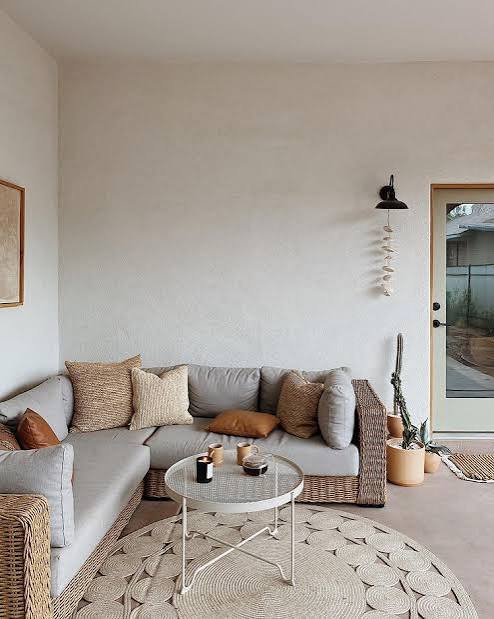
A small living room can be just as stylish and comfortable as a large one when its furniture and layout are planned carefully. In modern homes, apartments, and smaller properties, homeowners often need to balance limited floor space with the desire for an inviting and elegant interior. This is where smart Small Layouts become especially valuable.
Within the world of Living Room Designs & Sofas, designing for a compact room requires more than simply choosing smaller furniture. It involves understanding proportions, creating practical walking paths, selecting suitable seating, and using visual tricks to make the room feel more open. With the right approach, every corner can contribute to the room's comfort and appearance without creating a crowded atmosphere.
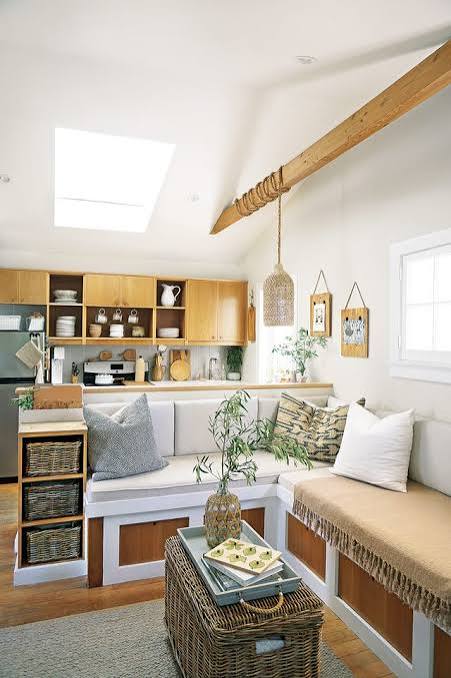
Start With an Accurate Floor Plan
Before purchasing furniture, take time to understand the room's dimensions. Measure the length and width of the space and note the location of doors, windows, radiators, electrical outlets, and other permanent features.
A basic floor plan can help you determine how much room is available for a sofa, coffee table, chairs, and storage. It can also prevent an expensive mistake such as purchasing a sofa that blocks a doorway or leaves insufficient room for movement.
For successful Small Layouts, measurements should guide furniture choices rather than forcing furniture into a space that cannot accommodate it comfortably.
Choose a Sofa That Fits the Room
The sofa is typically the largest furniture item in a living room, which makes its size particularly important. A sofa that is too large can dominate a compact space and make it difficult to move around.
Instead of focusing only on the number of seats, consider the sofa's overall dimensions and visual weight. A streamlined sofa with a simple silhouette can provide comfortable seating while maintaining an open appearance.
Some rooms may benefit from a compact sectional. When properly sized, a sectional can use a corner efficiently and provide several seats without requiring multiple separate chairs.
When exploring Living Room Designs & Sofas, always compare the sofa's dimensions with the room's available floor area before making a final decision.
Consider the Traffic Flow
A beautiful furniture arrangement will not work well if people have difficulty moving through the room. Traffic flow should therefore be one of the main priorities when planning Small Layouts.
Identify the natural paths between entrances, windows, hallways, and other frequently used areas. Keep these pathways as clear as possible.
Instead of placing furniture wherever there is empty space, arrange the main pieces around the way people actually move through the room. This can make even a compact living area feel significantly more comfortable.
Use the Corners Efficiently
Corners can be extremely useful in a small living room. An appropriately sized sectional can turn an unused corner into a comfortable seating area. Alternatively, a corner may accommodate a small reading chair, floor lamp, bookshelf, or decorative plant.
However, efficient use of space does not mean filling every corner. Empty areas are also important because they give the room visual breathing space.
The goal is to create balance between functional furniture and open areas.
Select Furniture With a Light Visual Profile
Furniture can make a room feel larger or smaller depending on its design. Pieces with thick frames, oversized arms, and heavy bases can visually occupy more space than their actual dimensions suggest.
Furniture with slim frames and raised legs can create a lighter appearance. When the floor remains visible underneath a sofa or chair, the room may feel more open.
This principle is particularly useful for Small Layouts, where visual space can be just as important as physical space.
Make Multifunctional Pieces Part of the Design
When floor space is limited, furniture that serves multiple purposes can be extremely useful. Instead of adding separate pieces for every function, look for versatile options.
An ottoman, for example, can provide a place to rest your feet, offer additional seating, or function as a surface when paired with a tray. Storage benches can combine seating and organization, while nesting tables can provide extra surfaces without permanently occupying a large area.
Multifunctional furniture allows homeowners to adapt their living room according to different activities throughout the day.
Create an Open Color Scheme
Color can influence how spacious a room feels. Light and neutral shades can reflect natural light and create a brighter atmosphere. Cream, ivory, beige, soft gray, and other understated tones can work particularly well as a foundation.
However, a small living room does not have to be completely neutral. Add personality with cushions, artwork, rugs, curtains, or an accent chair.
The key is to avoid too many unrelated colors competing for attention. A coordinated palette can make the furniture and architectural elements appear more connected.
For Living Room Designs & Sofas, choosing complementary colors can create a polished appearance while maintaining visual simplicity.
Use Vertical Space for Storage and Decoration
One of the biggest advantages of vertical design is that it adds functionality without taking additional floor space.
Tall shelving units, wall-mounted storage, floating shelves, and vertically arranged artwork can draw attention upward. This can make the ceiling appear higher while providing useful storage or display areas.
Wall-mounted lighting can also save space. Instead of placing several lamps on tables or floors, sconces can provide illumination while keeping surfaces clear.
Using walls effectively is an important strategy for making Small Layouts both attractive and practical.
Choose a Proportional Coffee Table
A coffee table should complement the sofa rather than compete with it. In a compact room, oversized tables can restrict movement and make the seating area feel cramped.
Round and oval tables can be useful because their curved edges make it easier to move around them. Slim rectangular tables can also work well when the room has a narrow configuration.
Nesting tables provide another flexible option. They can be separated when additional surfaces are needed and grouped together when more floor space is desirable.
Let Natural Light Become Part of the Design
Natural light can make a compact living room feel brighter and more spacious. Avoid placing large furniture directly in front of windows whenever possible.
Light curtains can allow sunlight to enter while maintaining privacy. Mirrors can also be positioned strategically to reflect light and create additional visual depth.
For evening use, combine several lighting sources. A ceiling fixture, wall lighting, table lamp, or slim floor lamp can create layers of illumination and make the room feel warmer.
Keep Accessories Carefully Selected
Decorative accessories give a living room personality, but too many can quickly make a small space feel cluttered. Rather than displaying every decorative item, select a few pieces that complement the overall design.
A well-chosen rug can define the seating area. A small collection of cushions can add texture and color, while one large piece of artwork can create a stronger focal point than numerous small decorations.
In Small Layouts, simplicity often creates a more sophisticated result.
Design Around Your Lifestyle
The best living room arrangement is one that supports the people using it. A household that enjoys entertaining may need flexible seating, while someone who prefers relaxing with a book may want to prioritize a comfortable chair and good lighting.
Families may need durable upholstery and practical surfaces, while homeowners who rarely use the room may place greater emphasis on appearance.
When choosing from Living Room Designs & Sofas, consider how each piece will be used instead of selecting furniture based only on appearance.
Combine Style With Practicality
A compact living room does not require a boring design. Modern, traditional, classic, luxurious, and minimalist interiors can all work successfully in smaller spaces.
The most important consideration is scale. Choose furniture that fits the room without overwhelming it, coordinate the colors, maintain clear walkways, and avoid unnecessary pieces.
With thoughtful planning, even a limited area can become an elegant focal point within the home.
Conclusion
Successful Small Layouts depend on thoughtful furniture selection, efficient space planning, and a clear understanding of how the room will be used. From choosing the right sofa to maximizing corners, using vertical storage, and introducing appropriate lighting, every decision can influence the room's sense of space.
Within Living Room Designs & Sofas, compact living rooms can achieve both comfort and sophistication when furniture is selected according to the room's proportions. Rather than seeing limited space as a disadvantage, use it as an opportunity to create a carefully edited interior where every sofa, table, accessory, and decorative detail has a purpose. The result can be a living room that feels open, functional, stylish, and welcoming despite its smaller footprint.