
How to Choose the Perfect Lighting to Transform Your Home Interior
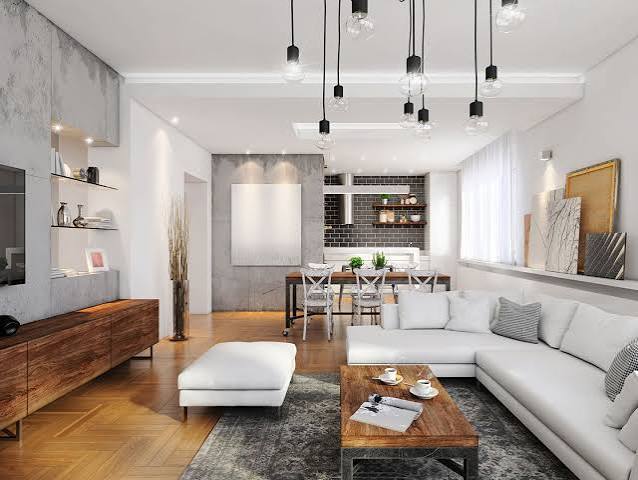
Lighting is one of the most important elements of interior design. It influences the atmosphere of a room, highlights architectural details, and makes everyday activities more comfortable. While furniture, wall colors, and decorative accessories contribute to the overall appearance of a home, the right lighting brings everything together. Choosing suitable fixtures can transform an ordinary space into a welcoming and visually appealing environment.
Among the many lighting options available today, pendant fixtures have become increasingly popular because they combine functionality with decorative appeal. Whether you are designing a modern apartment, renovating a traditional home, or refreshing a single room, selecting the right Pendant & Hanging Lights can make a noticeable difference in your interior.
Understanding the Importance of Decorative Lighting
Lighting does much more than illuminate a room. It helps establish the mood, creates visual balance, and emphasizes specific areas of your home. A carefully selected lighting fixture can become a focal point, attracting attention while complementing the surrounding furniture and decorations.
Different rooms require different lighting solutions. Living rooms benefit from warm, comfortable illumination, while kitchens need brighter lighting for food preparation and daily activities. Bedrooms generally require softer lighting that encourages relaxation.
Combining different lighting sources is an effective way to achieve a balanced result. Ambient lighting provides general illumination, task lighting supports specific activities, and accent lighting highlights artwork, architectural features, or decorative objects.
Why Pendant Fixtures Are a Popular Interior Design Choice
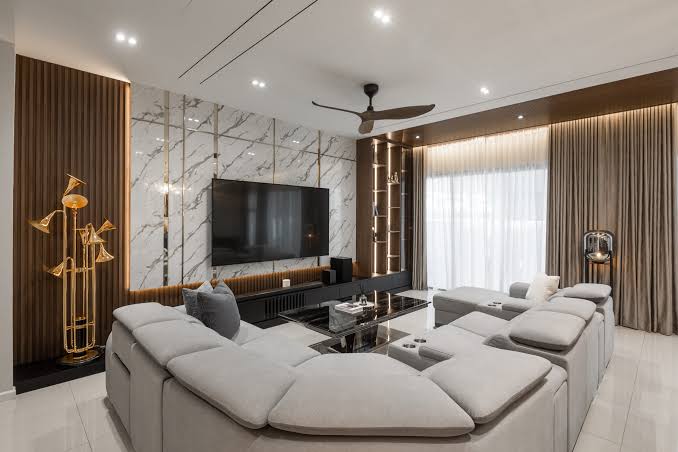
Pendant fixtures are suspended from the ceiling using cords, chains, or metal rods. Their versatility makes them suitable for various interior styles, from minimalist and contemporary spaces to industrial and classic homes.
One of their biggest advantages is their ability to provide focused illumination. When positioned correctly, they can brighten dining tables, kitchen islands, reading corners, and entryways without overwhelming the entire room.
Another advantage is the wide selection of designs available. Homeowners can choose from glass shades, metal finishes, wooden details, fabric elements, and sculptural designs. This variety makes it easier to find fixtures that match existing furniture and decorative themes.
The right Pendant & Hanging Lights can also introduce texture, color, and visual interest into a room, making lighting an essential part of the overall decorating process.
Choosing the Right Lighting for Every Room
Every room has unique requirements, so it is important to consider its purpose before selecting a fixture.
Living Room Lighting
The living room is usually one of the most frequently used spaces in a home. It serves as a place for relaxation, entertainment, and spending time with family and friends.
A decorative hanging fixture can create an attractive centerpiece, especially when installed above a coffee table or in the center of the seating arrangement. Consider choosing a design that complements your sofa, curtains, and other decorative elements.
Warm lighting is often a suitable choice because it creates a comfortable atmosphere. For larger living rooms, combining ceiling fixtures with floor lamps and wall sconces can provide better illumination throughout the space.
Kitchen and Dining Area
Kitchens require practical lighting that supports cooking, cleaning, and food preparation. Pendant fixtures are particularly useful above kitchen islands and breakfast counters because they provide focused illumination where it is needed most.
For dining areas, a suspended fixture positioned above the dining table can establish a welcoming atmosphere. Its size should be proportional to the table, and its hanging height should allow people to communicate comfortably without visual obstruction.
For a coordinated appearance, choose materials and finishes that complement your kitchen cabinets, dining chairs, and other furniture.
Bedroom Lighting
Bedroom lighting should prioritize comfort and relaxation. Soft illumination can make the room feel peaceful while supporting nighttime routines.
Smaller hanging fixtures can be installed on either side of the bed as an alternative to traditional bedside lamps. This arrangement can also free up valuable space on bedside tables.
Glass and fabric designs are excellent options for creating a softer appearance, while simple metal fixtures can complement contemporary bedroom furniture.
Entryways and Hallways
Entryways create the first impression of your home, making them an excellent place for decorative lighting. A stylish hanging fixture can introduce the interior design theme before visitors enter the main living areas.
In hallways, compact fixtures provide practical illumination while adding personality to otherwise overlooked spaces. Always consider ceiling height and available space when selecting the appropriate design.
Popular Materials and Styles
The material of a lighting fixture plays an important role in determining its appearance and durability. Glass is a popular option because it creates an elegant look and allows light to spread throughout the surrounding area.
Metal fixtures are suitable for industrial, contemporary, and minimalist interiors. Black, brass, chrome, and brushed gold finishes can complement different furniture colors and decorative accessories.
Wooden lighting designs introduce warmth and natural character, making them particularly suitable for rustic, Scandinavian, and organic interior styles.
For homeowners who prefer a distinctive decorative statement, artistic fixtures with unusual shapes and multiple suspended elements can add personality to modern spaces.
When exploring Pendant & Hanging Lights, consider both their appearance and the way their materials interact with other elements in the room.
How to Select the Correct Size and Height
Choosing the correct size is essential for achieving visual harmony. A fixture that is too large can overwhelm a small room, while a very small design may look insignificant in a spacious interior.
Start by measuring the room and identifying the area you want to illuminate. Consider the dimensions of nearby furniture, ceiling height, and the overall layout.
For dining tables and kitchen islands, the fixture should provide sufficient illumination without blocking sightlines. Multiple smaller pendants can also create an attractive arrangement above long countertops.
In rooms with low ceilings, compact fixtures and shorter suspension systems are generally more practical. Higher ceilings provide greater flexibility for larger and more dramatic designs.
Energy Efficiency and Lighting Technology
Modern lighting technology makes it easier to combine attractive designs with energy efficiency. LED bulbs are particularly popular because they consume less electricity than traditional incandescent bulbs and generally have a longer operating life.
When choosing bulbs, pay attention to brightness, measured in lumens, and color temperature, measured in Kelvin. Warm white lighting creates a cozy atmosphere, while cooler white lighting provides a brighter and more energetic appearance.
Dimmable lighting is another useful feature. It allows homeowners to adjust brightness according to different activities and times of the day.
Selecting suitable bulbs and compatible fixtures can improve everyday comfort while helping reduce unnecessary energy consumption.
Tips for Creating a Coordinated Interior
A successful lighting arrangement should complement the overall design of your home rather than compete with it. Start by identifying the main interior style and selecting fixtures that support its colors, materials, and decorative details.
Avoid using too many competing finishes in the same room. Instead, introduce a consistent combination of materials, such as black metal with natural wood or brass with neutral fabrics.
Layered lighting is also worth considering. Combining ceiling fixtures with table lamps, floor lamps, and accent lighting creates depth and allows different parts of a room to serve multiple purposes.
Finally, consider natural light. Large windows, reflective surfaces, and light-colored walls can influence how artificial lighting appears throughout the day.
Conclusion
Choosing suitable lighting is an important step in creating a beautiful, functional, and comfortable home. From living rooms and bedrooms to kitchens and dining areas, every space can benefit from carefully planned illumination.
By considering fixture size, materials, placement, brightness, and energy efficiency, homeowners can create interiors that reflect their personal style while meeting practical needs. Investing in attractive Pendant & Hanging Lights offers an excellent opportunity to combine decorative elegance with everyday functionality, making your home feel more inviting and visually balanced.