
Creative Lighting Ideas to Transform Your Home Interior
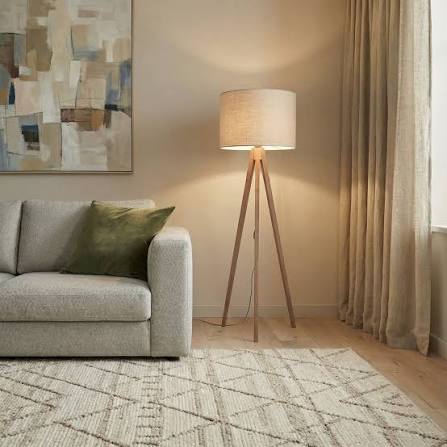
Lighting is one of the most important elements of successful interior design. It influences the atmosphere of a room, highlights architectural details, and makes everyday activities more comfortable. While ceiling fixtures provide general illumination, additional lighting sources help create depth, balance, and personality throughout the home. Choosing the right decorative lighting can completely change how a space looks and feels without requiring expensive renovations or major furniture changes.
One versatile lighting solution that combines functionality with decorative appeal is Floor Lamps. These fixtures offer an excellent way to brighten dark corners, create comfortable reading areas, and introduce stylish accents into different rooms. Available in countless designs, sizes, materials, and finishes, they can complement almost any interior style, from traditional and rustic to contemporary and minimalist.
Understanding the Importance of Layered Lighting
A well-designed room rarely depends on a single lighting source. Instead, interior designers often combine ambient, task, and accent lighting to create a balanced environment.
Ambient lighting provides general illumination throughout the room, usually through ceiling fixtures or recessed lights. Task lighting focuses on specific activities, such as reading, working, or studying. Accent lighting highlights decorative features, artwork, architectural details, and furniture arrangements.
Adding different lighting sources allows homeowners to adjust the atmosphere according to their needs. For example, a living room can have bright illumination during family activities and softer lighting during relaxing evenings.
Standing fixtures are particularly useful because they can introduce additional illumination without requiring permanent changes to walls or ceilings. Their flexibility makes them suitable for both large homes and compact apartments.
Choosing the Right Design for Your Living Room
The living room is one of the most suitable places to incorporate decorative lighting. Since this space is used for entertaining guests, watching television, reading, and relaxing, its lighting should be both practical and visually appealing.
A tall, elegant fixture beside a sofa can create a comfortable reading area while adding height to the furniture arrangement. Arc designs are especially attractive because their curved structures allow light to extend over seating areas without occupying the space directly above them.
For contemporary interiors, slim metal frames and simple geometric shapes create a clean appearance. Traditional living rooms may benefit from decorative bases, fabric shades, and warm metallic finishes.
Consider coordinating the fixture with other elements in the room, such as coffee tables, curtain rods, and decorative accessories. This creates a cohesive appearance without requiring every item to match exactly.
Creating a Comfortable Reading Corner
A dedicated reading corner can make a home feel more inviting and functional. Even a small unused corner can become a relaxing retreat with a comfortable chair, a compact side table, and appropriate lighting.
A standing light with an adjustable head is an excellent choice for this purpose because it directs illumination toward the reading material. This helps improve visibility while reducing the need for brighter overhead lighting.
Position the fixture slightly behind or beside the reading chair, depending on its design and the direction of the light. Choose a shade that minimizes glare and distributes illumination comfortably.
Warm white bulbs are generally suitable for relaxing environments, while neutral white options may be preferable for detailed reading and other focused activities.
Adding a soft rug, decorative cushions, and a small bookshelf can complete the arrangement and make the corner feel like a natural part of the home.
Exploring Different Materials and Finishes
The materials used in lighting fixtures influence their durability, appearance, and compatibility with different interior styles.
Metal is a popular option because it offers strength and versatility. Black, brushed brass, chrome, and bronze finishes can complement contemporary, industrial, and traditional interiors.
Wooden bases introduce warmth and natural character, making them particularly suitable for Scandinavian, rustic, and farmhouse-inspired spaces. Glass details can create a lighter appearance, while marble bases provide an elegant and sophisticated touch.
Fabric shades are another attractive option. They soften the appearance of illumination and work beautifully in traditional and transitional interiors.
When selecting materials, consider the existing furniture and decorative accessories. Combining different textures can create an interesting interior, provided the overall color palette remains balanced.
Enhancing Small Spaces with Smart Lighting
Small rooms require thoughtful furniture placement and lighting choices. Large fixtures with wide bases may occupy valuable floor space, so selecting compact designs is often more practical.
Slim-profile lighting with narrow bases can fit beside sofas, desks, and bedroom furniture without making the room feel crowded. Adjustable fixtures also provide flexibility because they can direct illumination where it is most useful.
Using lighting to brighten darker corners can make compact interiors feel more open. Positioning a fixture near a mirror may also help distribute available light throughout the room.
For studio apartments and multifunctional spaces, movable lighting is particularly useful. A single fixture can serve different purposes depending on the arrangement of furniture and the activities taking place.
Bedroom Lighting for Relaxation and Comfort
Bedrooms benefit from lighting that creates a peaceful and comfortable atmosphere. Although bedside lamps are common, standing fixtures offer another way to introduce soft illumination.
Placing a slim fixture beside a bedroom chair or in an empty corner can create a relaxing reading area. Designs with fabric shades are particularly effective because they produce a softer appearance.
For minimalist bedrooms, choose simple silhouettes and neutral finishes that complement the bedding, wardrobe, and bedside furniture.
Dimmable lighting can provide additional flexibility, allowing homeowners to adjust brightness according to the time of day and personal preferences.
It is also important to consider the bulb's color temperature. Warmer lighting generally creates a cozy environment, while excessively bright or cool lighting may feel less relaxing in the evening.
Incorporating Modern and Industrial Styles
Industrial and contemporary interior designs often use lighting as a decorative statement. Metal structures, exposed details, geometric shapes, and dark finishes can contribute to a distinctive appearance.
Black metal frames work especially well with exposed brick walls, concrete surfaces, and reclaimed wood furniture. These combinations create an urban atmosphere without making the space feel overly decorative.
Modern interiors often favor clean lines and understated forms. A sculptural lighting fixture can become an attractive focal point while maintaining the simplicity of the surrounding furniture.
For homeowners who prefer a more luxurious appearance, brushed brass and polished metallic details can introduce sophistication without overwhelming the room.
Selecting the Right Bulb and Brightness
The bulb is just as important as the fixture itself. Choosing an appropriate bulb ensures that the lighting performs well while supporting the desired atmosphere.
LED bulbs are a popular choice because they are energy-efficient and available in different brightness levels and color temperatures. They also come in various shapes and sizes, making them suitable for many decorative fixtures.
Lumens indicate how much visible light a bulb produces, while watts measure its energy consumption. Checking both specifications helps homeowners select suitable lighting for different activities.
For reading areas, choose sufficient brightness to make printed text easy to see. For decorative corners and relaxing spaces, softer illumination may be more appropriate.
Always check the manufacturer's recommended bulb type and maximum wattage before purchasing replacements.
Practical Placement and Safety Considerations
Proper placement improves both functionality and safety. Before positioning a fixture, consider nearby furniture, electrical outlets, walking paths, and available floor space.
Avoid placing standing fixtures where people may accidentally knock them over. Models with stable bases are especially important in homes with children or pets.
Keep electrical cords organized and away from frequently used walkways. Avoid overloading outlets, and inspect cables periodically for signs of damage.
In smaller rooms, positioning the fixture near a wall can help preserve movement space. In larger interiors, placing it beside seating arrangements or architectural features can create a more balanced layout.
Conclusion
Creating an attractive and comfortable home requires more than selecting beautiful furniture and decorative accessories. Thoughtful lighting choices help improve functionality, establish atmosphere, and bring different design elements together.
From elegant living room arrangements and cozy reading corners to modern bedroom accents, Floor Lamps offer a practical and stylish solution for illuminating different areas of the home. Their variety of designs, materials, and finishes makes it easy to find options that complement almost any decorating preference.
By considering room dimensions, lighting requirements, bulb specifications, and existing furniture, homeowners can select fixtures that provide lasting value. The result is a balanced interior that combines everyday convenience with warmth, comfort, and timeless visual appeal.