
Creative Lighting Ideas to Transform Your Home into a Modern and Inviting Space
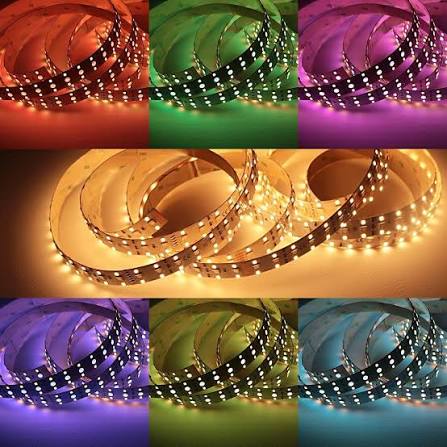
Lighting is one of the most important elements of interior design because it influences how a room looks, feels, and functions. The right lighting arrangement can highlight architectural details, create a relaxing atmosphere, and make ordinary spaces feel more sophisticated. While traditional ceiling fixtures and table lamps remain popular, modern homeowners are increasingly exploring flexible lighting solutions that offer greater control over brightness, color, and placement.
Contemporary lighting is no longer limited to illuminating a room. It has become an essential decorative feature that helps express personal style and enhance the overall appearance of an interior. From subtle accent lighting to dramatic decorative effects, innovative lighting options provide countless opportunities to transform residential spaces.
The Growing Popularity of Modern Accent Lighting
Accent lighting has become an important part of contemporary home decoration. Unlike general lighting, which illuminates an entire room, accent lighting focuses on specific areas or decorative features.
It can highlight artwork, emphasize architectural details, illuminate shelving, and create attractive visual contrasts. This approach makes interiors feel more dynamic while allowing homeowners to experiment with different lighting effects.
Modern accent lighting is particularly useful in minimalist and contemporary spaces, where subtle illumination can enhance clean lines without introducing unnecessary decorative elements.
Another advantage is flexibility. Many modern lighting systems can be installed in different locations, allowing homeowners to customize their lighting arrangements according to their needs and preferences.
Why LED Strips Are an Excellent Lighting Solution
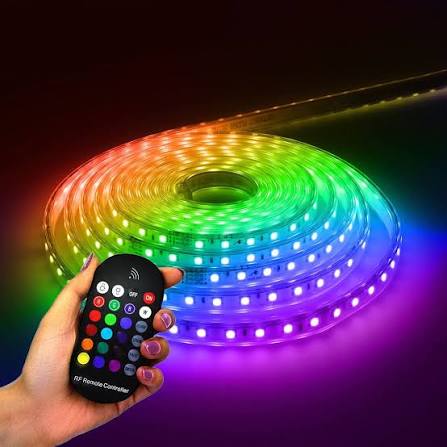
LED Strips have become a popular choice for modern interiors because they combine flexibility, energy efficiency, and decorative versatility. These lighting products consist of small light-emitting diodes arranged along a flexible strip, making them suitable for locations where traditional lighting fixtures may be difficult to install.
Their slim design allows them to fit underneath cabinets, behind televisions, along ceilings, and around furniture. This makes them particularly useful for creating indirect lighting effects that enhance a room without drawing attention to the light source itself.
Another benefit is the variety of available options. Homeowners can choose warm white, cool white, or color-changing versions depending on the atmosphere they want to create.
Some products also include dimming functions, remote controls, or smart home compatibility, offering additional convenience and customization.
Enhancing Living Room Interiors with Decorative Lighting
The living room is one of the best places to experiment with creative lighting arrangements. It often serves several purposes, including relaxation, entertainment, and social gatherings, making flexible illumination especially valuable.
Installing lighting behind a television can create a soft glow that adds depth to the entertainment area. This effect can also make the screen appear more visually integrated into the surrounding wall.
Another attractive option is illuminating floating shelves or display cabinets. Subtle lighting highlights decorative objects, books, and artwork while creating a more sophisticated atmosphere.
Ceiling details can also benefit from indirect illumination. Installing lighting inside recessed ceiling sections or along architectural edges creates a modern appearance and helps establish a comfortable evening atmosphere.
For balanced results, combine accent lighting with general ceiling illumination and decorative table or floor lamps.
Creating a Relaxing Bedroom Environment
Bedroom lighting should support comfort and relaxation while providing sufficient illumination for everyday activities.
Soft indirect lighting is particularly effective because it creates a gentle atmosphere without producing harsh glare. Placing lighting behind a headboard or underneath a bed frame can introduce an elegant floating effect.
Warm white illumination is often preferred for bedrooms because it creates a cozy environment that feels welcoming in the evening.
Homeowners can also install decorative lighting inside wardrobes, around dressing areas, or beneath floating bedside shelves. These arrangements improve visibility while adding a modern decorative touch.
If you prefer greater flexibility, consider dimmable lighting systems that allow brightness adjustments throughout the day.
Transforming Kitchens with Functional Accent Lighting
Kitchens require practical lighting because food preparation and cooking involve activities that benefit from clear visibility. However, functional illumination can also contribute to the overall appearance of the space.
Under-cabinet lighting is one of the most useful applications. It illuminates countertops, reduces shadows, and makes food preparation more convenient.
Lighting installed inside glass-front cabinets can also highlight decorative dishes, glassware, and accessories.
For contemporary kitchens, subtle illumination beneath islands or breakfast counters can create a sophisticated appearance. It also helps define different areas within an open-plan layout.
When choosing kitchen lighting, consider brightness, color temperature, moisture resistance, and ease of cleaning. Selecting suitable products ensures that decorative features also meet everyday requirements.
Exploring Different Colors and Lighting Effects
Color temperature plays an important role in determining the atmosphere of an interior.
Warm white lighting produces a soft yellowish appearance that works well in bedrooms, living rooms, and dining areas. It creates a comfortable environment that encourages relaxation.
Cool white lighting offers a cleaner and brighter appearance, making it suitable for kitchens, workspaces, and areas where visibility is important.
RGB lighting provides additional creative possibilities by allowing users to select different colors. It can be used to create entertainment areas, highlight architectural features, or introduce dramatic effects into contemporary interiors.
Some advanced systems support adjustable color temperatures and programmable lighting scenes. These features make it possible to change the atmosphere according to different activities and personal preferences.
Integrating Smart Lighting into Modern Homes
Smart home technology has made lighting systems more convenient and customizable. Many modern lighting products can connect to compatible applications, allowing homeowners to control brightness, colors, and schedules through smartphones or other supported devices.
Voice control is another useful feature available with compatible systems. It allows users to adjust lighting without manually operating switches.
Automation can also improve convenience. For example, lighting can be programmed to turn on at specific times or adjusted according to different daily routines.
Before purchasing smart lighting, check its compatibility with your existing devices, wireless network, and preferred smart home platform.
It is also important to understand whether the product requires an additional controller, power supply, or hub.
Choosing the Right Installation Location
The location of decorative lighting has a significant effect on the final appearance. Before installation, consider the architectural features and furniture arrangements you want to highlight.
Popular locations include:
Behind televisions and entertainment units.
Under kitchen cabinets and countertops.
Along ceiling coves and recessed sections.
Behind bedroom headboards.
Inside wardrobes and display cabinets.
Beneath floating shelves and furniture.
Around mirrors and decorative wall panels.
For the best results, plan the lighting layout before installation. Measure the required length carefully and ensure that the selected product is suitable for the intended environment.
Avoid placing lighting where it creates uncomfortable glare or interferes with normal activities.
Understanding Brightness and Energy Efficiency
Modern lighting technology is valued for its ability to provide useful illumination while consuming relatively little electricity compared with many traditional lighting options.
However, energy consumption depends on the product's power rating, brightness, usage duration, and installation length.
When comparing products, examine their wattage, lumen output, and energy efficiency information rather than relying on appearance alone.
Brightness requirements also vary by location. Decorative lighting behind furniture may require less illumination than kitchen task lighting.
Choosing the appropriate brightness helps create a comfortable environment while avoiding unnecessary energy consumption.
Maintenance and Safety Considerations
Proper installation and maintenance are important for ensuring reliable lighting performance. Always use a compatible power supply and follow the manufacturer's installation instructions.
Before attaching a lighting strip, clean and dry the surface thoroughly. This helps adhesive backing maintain a secure connection.
Avoid bending products beyond their recommended limits or cutting them outside designated cutting points. These mistakes can damage electrical connections.
For bathrooms, outdoor areas, and other locations exposed to moisture, select products with an appropriate IP protection rating.
If installation involves electrical wiring or modifications to household circuits, consult a qualified electrician to ensure everything is connected safely.
Conclusion
Modern lighting offers endless opportunities to improve the appearance and functionality of residential interiors. By combining general illumination with carefully positioned accent lighting, homeowners can create comfortable environments that reflect their personal decorating preferences.
From elegant living rooms and relaxing bedrooms to practical kitchens and contemporary entertainment spaces, flexible lighting solutions make it easier to highlight architectural details and introduce attractive visual effects.
With thoughtful planning, suitable brightness, and appropriate installation, modern decorative lighting can become a valuable part of a beautiful and functional home.