<?xml version="1.0" encoding="utf-8"?>
<feed xmlns="http://www.w3.org/2005/Atom" xmlns:media="http://search.yahoo.com/mrss/">
    <title>The Decor Palette</title>
    <link href="https://the-decor-palette-6mw.pages.dev/feed.xml" rel="self" />
    <link href="https://the-decor-palette-6mw.pages.dev" />
    <updated>2026-11-20T22:19:24+02:00</updated>
    <author>
        <name>James K. Perry</name>
    </author>
    <id>https://the-decor-palette-6mw.pages.dev</id>

    <entry>
        <title>How to Choose the Perfect Lighting to Transform Your Home Interior</title>
        <author>
            <name>James K. Perry</name>
        </author>
        <link href="https://the-decor-palette-6mw.pages.dev/how-to-choose-the-perfect-lighting-to-transform-your-home-interior/"/>
        <id>https://the-decor-palette-6mw.pages.dev/how-to-choose-the-perfect-lighting-to-transform-your-home-interior/</id>
        <media:content url="https://the-decor-palette-6mw.pages.dev/media/posts/31/images-2026-11-20T221803.072.jpg" medium="image" />
            <category term="Pendant &amp; Hanging Lights"/>
            <category term="Home Lighting &amp; Lamps"/>

        <updated>2026-11-20T22:18:27+02:00</updated>
            <summary type="html">
                <![CDATA[
                        <img src="https://the-decor-palette-6mw.pages.dev/media/posts/31/images-2026-11-20T221803.072.jpg" alt="" />
                    Lighting is one of the most important elements of interior design. It&hellip;
                ]]>
            </summary>
        <content type="html">
            <![CDATA[
                    <p><img src="https://the-decor-palette-6mw.pages.dev/media/posts/31/images-2026-11-20T221803.072.jpg" class="type:primaryImage" alt="" /></p>
                <p>Lighting is one of the most important elements of interior design. It influences the atmosphere of a room, highlights architectural details, and makes everyday activities more comfortable. While furniture, wall colors, and decorative accessories contribute to the overall appearance of a home, the right lighting brings everything together. Choosing suitable fixtures can transform an ordinary space into a welcoming and visually appealing environment.</p>
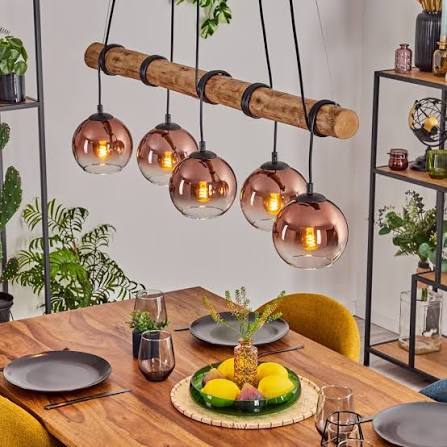
<p>Among the many lighting options available today, pendant fixtures have become increasingly popular because they combine functionality with decorative appeal. Whether you are designing a modern apartment, renovating a traditional home, or refreshing a single room, selecting the right <strong><a href="https://the-decor-palette-6mw.pages.dev/beautiful-decorative-details-that-transform-your-home/">Pendant &amp; Hanging Lights</a></strong> can make a noticeable difference in your interior.</p>
<h2>Understanding the Importance of Decorative Lighting</h2>
<p>Lighting does much more than illuminate a room. It helps establish the mood, creates visual balance, and emphasizes specific areas of your home. A carefully selected lighting fixture can become a focal point, attracting attention while complementing the surrounding furniture and decorations.</p>
<p>Different rooms require different lighting solutions. Living rooms benefit from warm, comfortable illumination, while kitchens need brighter lighting for food preparation and daily activities. Bedrooms generally require softer lighting that encourages relaxation.</p>
<p>Combining different lighting sources is an effective way to achieve a balanced result. Ambient lighting provides general illumination, task lighting supports specific activities, and accent lighting highlights artwork, architectural features, or decorative objects.</p>
<figure class="post__image"><img loading="lazy"  src="https://the-decor-palette-6mw.pages.dev/media/posts/31//images-2026-11-20T221756.332.jpg" alt="" width="678" height="452" sizes="(max-width: 1024px) 100vw, 1024px" srcset="https://the-decor-palette-6mw.pages.dev/media/posts/31//responsive/images-2026-11-20T221756.332-xs.jpg 300w ,https://the-decor-palette-6mw.pages.dev/media/posts/31//responsive/images-2026-11-20T221756.332-sm.jpg 480w ,https://the-decor-palette-6mw.pages.dev/media/posts/31//responsive/images-2026-11-20T221756.332-md.jpg 768w ,https://the-decor-palette-6mw.pages.dev/media/posts/31//responsive/images-2026-11-20T221756.332-lg.jpg 1024w"></figure>
<h2>Why Pendant Fixtures Are a Popular Interior Design Choice</h2>
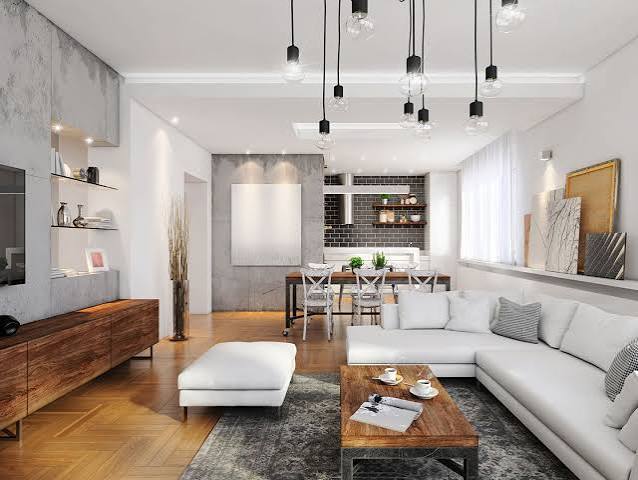
<p>Pendant fixtures are suspended from the ceiling using cords, chains, or metal rods. Their versatility makes them suitable for various interior styles, from minimalist and contemporary spaces to industrial and classic homes.</p>
<p>One of their biggest advantages is their ability to provide focused illumination. When positioned correctly, they can brighten dining tables, kitchen islands, reading corners, and entryways without overwhelming the entire room.</p>
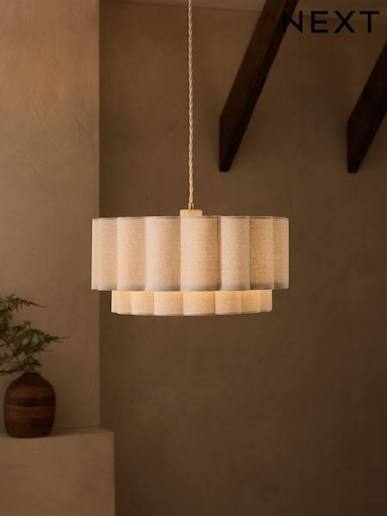
<p>Another advantage is the wide selection of designs available. Homeowners can choose from glass shades, metal finishes, wooden details, fabric elements, and sculptural designs. This variety makes it easier to find fixtures that match existing furniture and decorative themes.</p>
<p>The right <strong>Pendant &amp; Hanging Lights</strong> can also introduce texture, color, and visual interest into a room, making lighting an essential part of the overall decorating process.</p>
<h2>Choosing the Right Lighting for Every Room</h2>
<p>Every room has unique requirements, so it is important to consider its purpose before selecting a fixture.</p>
<h3>Living Room Lighting</h3>
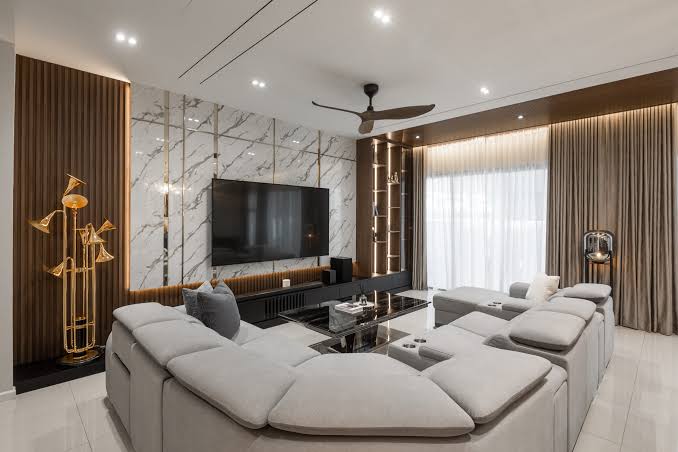
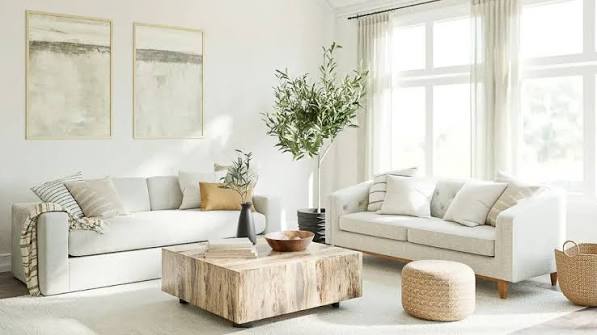
<p>The living room is usually one of the most frequently used spaces in a home. It serves as a place for relaxation, entertainment, and spending time with family and friends.</p>
<p>A decorative hanging fixture can create an attractive centerpiece, especially when installed above a coffee table or in the center of the seating arrangement. Consider choosing a design that complements your sofa, curtains, and other decorative elements.</p>
<p>Warm lighting is often a suitable choice because it creates a comfortable atmosphere. For larger living rooms, combining ceiling fixtures with floor lamps and wall sconces can provide better illumination throughout the space.</p>
<h3>Kitchen and Dining Area</h3>
<p>Kitchens require practical lighting that supports cooking, cleaning, and food preparation. Pendant fixtures are particularly useful above kitchen islands and breakfast counters because they provide focused illumination where it is needed most.</p>
<p>For dining areas, a suspended fixture positioned above the dining table can establish a welcoming atmosphere. Its size should be proportional to the table, and its hanging height should allow people to communicate comfortably without visual obstruction.</p>
<p>For a coordinated appearance, choose materials and finishes that complement your kitchen cabinets, dining chairs, and other furniture.</p>
<h3>Bedroom Lighting</h3>
<p>Bedroom lighting should prioritize comfort and relaxation. Soft illumination can make the room feel peaceful while supporting nighttime routines.</p>
<p>Smaller hanging fixtures can be installed on either side of the bed as an alternative to traditional bedside lamps. This arrangement can also free up valuable space on bedside tables.</p>
<p>Glass and fabric designs are excellent options for creating a softer appearance, while simple metal fixtures can complement contemporary bedroom furniture.</p>
<h3>Entryways and Hallways</h3>
<p>Entryways create the first impression of your home, making them an excellent place for decorative lighting. A stylish hanging fixture can introduce the interior design theme before visitors enter the main living areas.</p>
<p>In hallways, compact fixtures provide practical illumination while adding personality to otherwise overlooked spaces. Always consider ceiling height and available space when selecting the appropriate design.</p>
<h2>Popular Materials and Styles</h2>
<p>The material of a lighting fixture plays an important role in determining its appearance and durability. Glass is a popular option because it creates an elegant look and allows light to spread throughout the surrounding area.</p>
<p>Metal fixtures are suitable for industrial, contemporary, and minimalist interiors. Black, brass, chrome, and brushed gold finishes can complement different furniture colors and decorative accessories.</p>
<p>Wooden lighting designs introduce warmth and natural character, making them particularly suitable for rustic, Scandinavian, and organic interior styles.</p>
<p>For homeowners who prefer a distinctive decorative statement, artistic fixtures with unusual shapes and multiple suspended elements can add personality to modern spaces.</p>
<p>When exploring <strong>Pendant &amp; Hanging Lights</strong>, consider both their appearance and the way their materials interact with other elements in the room.</p>
<h2>How to Select the Correct Size and Height</h2>
<p>Choosing the correct size is essential for achieving visual harmony. A fixture that is too large can overwhelm a small room, while a very small design may look insignificant in a spacious interior.</p>
<p>Start by measuring the room and identifying the area you want to illuminate. Consider the dimensions of nearby furniture, ceiling height, and the overall layout.</p>
<p>For dining tables and kitchen islands, the fixture should provide sufficient illumination without blocking sightlines. Multiple smaller pendants can also create an attractive arrangement above long countertops.</p>
<p>In rooms with low ceilings, compact fixtures and shorter suspension systems are generally more practical. Higher ceilings provide greater flexibility for larger and more dramatic designs.</p>
<h2>Energy Efficiency and Lighting Technology</h2>
<p>Modern lighting technology makes it easier to combine attractive designs with energy efficiency. LED bulbs are particularly popular because they consume less electricity than traditional incandescent bulbs and generally have a longer operating life.</p>
<p>When choosing bulbs, pay attention to brightness, measured in lumens, and color temperature, measured in Kelvin. Warm white lighting creates a cozy atmosphere, while cooler white lighting provides a brighter and more energetic appearance.</p>
<p>Dimmable lighting is another useful feature. It allows homeowners to adjust brightness according to different activities and times of the day.</p>
<p>Selecting suitable bulbs and compatible fixtures can improve everyday comfort while helping reduce unnecessary energy consumption.</p>
<h2>Tips for Creating a Coordinated Interior</h2>
<p>A successful lighting arrangement should complement the overall design of your home rather than compete with it. Start by identifying the main interior style and selecting fixtures that support its colors, materials, and decorative details.</p>
<p>Avoid using too many competing finishes in the same room. Instead, introduce a consistent combination of materials, such as black metal with natural wood or brass with neutral fabrics.</p>
<p>Layered lighting is also worth considering. Combining ceiling fixtures with table lamps, floor lamps, and accent lighting creates depth and allows different parts of a room to serve multiple purposes.</p>
<p>Finally, consider natural light. Large windows, reflective surfaces, and light-colored walls can influence how artificial lighting appears throughout the day.</p>
<h2>Conclusion</h2>
<p>Choosing suitable lighting is an important step in creating a beautiful, functional, and comfortable home. From living rooms and bedrooms to kitchens and dining areas, every space can benefit from carefully planned illumination.</p>
<p>By considering fixture size, materials, placement, brightness, and energy efficiency, homeowners can create interiors that reflect their personal style while meeting practical needs. Investing in attractive <strong>Pendant &amp; Hanging Lights</strong> offers an excellent opportunity to combine decorative elegance with everyday functionality, making your home feel more inviting and visually balanced.</p>
            ]]>
        </content>
    </entry>
    <entry>
        <title>Creative Lighting Ideas to Transform Your Home into a Modern and Inviting Space</title>
        <author>
            <name>James K. Perry</name>
        </author>
        <link href="https://the-decor-palette-6mw.pages.dev/creative-lighting-ideas-to-transform-your-home-into-a-modern-and-inviting-space/"/>
        <id>https://the-decor-palette-6mw.pages.dev/creative-lighting-ideas-to-transform-your-home-into-a-modern-and-inviting-space/</id>
        <media:content url="https://the-decor-palette-6mw.pages.dev/media/posts/30/images-2026-11-15T214828.693.jpg" medium="image" />
            <category term="LED Strips"/>
            <category term="Home Lighting &amp; Lamps"/>

        <updated>2026-11-15T21:48:04+02:00</updated>
            <summary type="html">
                <![CDATA[
                        <img src="https://the-decor-palette-6mw.pages.dev/media/posts/30/images-2026-11-15T214828.693.jpg" alt="" />
                    Lighting is one of the most important elements of interior design because&hellip;
                ]]>
            </summary>
        <content type="html">
            <![CDATA[
                    <p><img src="https://the-decor-palette-6mw.pages.dev/media/posts/30/images-2026-11-15T214828.693.jpg" class="type:primaryImage" alt="" /></p>
                <p><a href="https://the-decor-palette-6mw.pages.dev/a-stylish-choice-for-modern-home-lighting-and-lamps/">Lighting</a> is one of the most important elements of interior design because it influences how a room looks, feels, and functions. The right lighting arrangement can highlight architectural details, create a relaxing atmosphere, and make ordinary spaces feel more sophisticated. While traditional ceiling fixtures and table lamps remain popular, modern homeowners are increasingly exploring flexible lighting solutions that offer greater control over brightness, color, and placement.</p>
<p>Contemporary lighting is no longer limited to illuminating a room. It has become an essential decorative feature that helps express personal style and enhance the overall appearance of an interior. From subtle accent lighting to dramatic decorative effects, innovative lighting options provide countless opportunities to transform residential spaces.</p>
<h2>The Growing Popularity of Modern Accent Lighting</h2>
<p>Accent lighting has become an important part of contemporary home decoration. Unlike general lighting, which illuminates an entire room, accent lighting focuses on specific areas or decorative features.</p>
<p>It can highlight artwork, emphasize architectural details, illuminate shelving, and create attractive visual contrasts. This approach makes interiors feel more dynamic while allowing homeowners to experiment with different lighting effects.</p>
<p>Modern accent lighting is particularly useful in minimalist and contemporary spaces, where subtle illumination can enhance clean lines without introducing unnecessary decorative elements.</p>
<p>Another advantage is flexibility. Many modern lighting systems can be installed in different locations, allowing homeowners to customize their lighting arrangements according to their needs and preferences.</p>
<figure class="post__image"><img loading="lazy"  src="https://the-decor-palette-6mw.pages.dev/media/posts/30/images-2026-11-15T214823.347.jpg" alt="" width="739" height="739" sizes="(max-width: 1024px) 100vw, 1024px" srcset="https://the-decor-palette-6mw.pages.dev/media/posts/30/responsive/images-2026-11-15T214823.347-xs.jpg 300w ,https://the-decor-palette-6mw.pages.dev/media/posts/30/responsive/images-2026-11-15T214823.347-sm.jpg 480w ,https://the-decor-palette-6mw.pages.dev/media/posts/30/responsive/images-2026-11-15T214823.347-md.jpg 768w ,https://the-decor-palette-6mw.pages.dev/media/posts/30/responsive/images-2026-11-15T214823.347-lg.jpg 1024w"></figure>
<h2>Why LED Strips Are an Excellent Lighting Solution</h2>
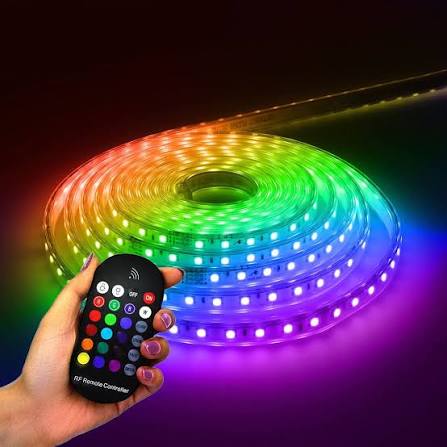
<p><strong>LED Strips</strong> have become a popular choice for modern interiors because they combine flexibility, energy efficiency, and decorative versatility. These lighting products consist of small light-emitting diodes arranged along a flexible strip, making them suitable for locations where traditional lighting fixtures may be difficult to install.</p>
<p>Their slim design allows them to fit underneath cabinets, behind televisions, along ceilings, and around furniture. This makes them particularly useful for creating indirect lighting effects that enhance a room without drawing attention to the light source itself.</p>
<p>Another benefit is the variety of available options. Homeowners can choose warm white, cool white, or color-changing versions depending on the atmosphere they want to create.</p>
<p>Some products also include dimming functions, remote controls, or smart home compatibility, offering additional convenience and customization.</p>
<h2>Enhancing Living Room Interiors with Decorative Lighting</h2>
<p>The living room is one of the best places to experiment with creative lighting arrangements. It often serves several purposes, including relaxation, entertainment, and social gatherings, making flexible illumination especially valuable.</p>
<p>Installing lighting behind a television can create a soft glow that adds depth to the entertainment area. This effect can also make the screen appear more visually integrated into the surrounding wall.</p>
<p>Another attractive option is illuminating floating shelves or display cabinets. Subtle lighting highlights decorative objects, books, and artwork while creating a more sophisticated atmosphere.</p>
<p>Ceiling details can also benefit from indirect illumination. Installing lighting inside recessed ceiling sections or along architectural edges creates a modern appearance and helps establish a comfortable evening atmosphere.</p>
<p>For balanced results, combine accent lighting with general ceiling illumination and decorative table or floor lamps.</p>
<h2>Creating a Relaxing Bedroom Environment</h2>
<p>Bedroom lighting should support comfort and relaxation while providing sufficient illumination for everyday activities.</p>
<p>Soft indirect lighting is particularly effective because it creates a gentle atmosphere without producing harsh glare. Placing lighting behind a headboard or underneath a bed frame can introduce an elegant floating effect.</p>
<p>Warm white illumination is often preferred for bedrooms because it creates a cozy environment that feels welcoming in the evening.</p>
<p>Homeowners can also install decorative lighting inside wardrobes, around dressing areas, or beneath floating bedside shelves. These arrangements improve visibility while adding a modern decorative touch.</p>
<p>If you prefer greater flexibility, consider dimmable lighting systems that allow brightness adjustments throughout the day.</p>
<h2>Transforming Kitchens with Functional Accent Lighting</h2>
<p>Kitchens require practical lighting because food preparation and cooking involve activities that benefit from clear visibility. However, functional illumination can also contribute to the overall appearance of the space.</p>
<p>Under-cabinet lighting is one of the most useful applications. It illuminates countertops, reduces shadows, and makes food preparation more convenient.</p>
<p>Lighting installed inside glass-front cabinets can also highlight decorative dishes, glassware, and accessories.</p>
<p>For contemporary kitchens, subtle illumination beneath islands or breakfast counters can create a sophisticated appearance. It also helps define different areas within an open-plan layout.</p>
<p>When choosing kitchen lighting, consider brightness, color temperature, moisture resistance, and ease of cleaning. Selecting suitable products ensures that decorative features also meet everyday requirements.</p>
<h2>Exploring Different Colors and Lighting Effects</h2>
<p>Color temperature plays an important role in determining the atmosphere of an interior.</p>
<p>Warm white lighting produces a soft yellowish appearance that works well in bedrooms, living rooms, and dining areas. It creates a comfortable environment that encourages relaxation.</p>
<p>Cool white lighting offers a cleaner and brighter appearance, making it suitable for kitchens, workspaces, and areas where visibility is important.</p>
<p>RGB lighting provides additional creative possibilities by allowing users to select different colors. It can be used to create entertainment areas, highlight architectural features, or introduce dramatic effects into contemporary interiors.</p>
<p>Some advanced systems support adjustable color temperatures and programmable lighting scenes. These features make it possible to change the atmosphere according to different activities and personal preferences.</p>
<h2>Integrating Smart Lighting into Modern Homes</h2>
<p>Smart home technology has made lighting systems more convenient and customizable. Many modern lighting products can connect to compatible applications, allowing homeowners to control brightness, colors, and schedules through smartphones or other supported devices.</p>
<p>Voice control is another useful feature available with compatible systems. It allows users to adjust lighting without manually operating switches.</p>
<p>Automation can also improve convenience. For example, lighting can be programmed to turn on at specific times or adjusted according to different daily routines.</p>
<p>Before purchasing smart lighting, check its compatibility with your existing devices, wireless network, and preferred smart home platform.</p>
<p>It is also important to understand whether the product requires an additional controller, power supply, or hub.</p>
<h2>Choosing the Right Installation Location</h2>
<p>The location of decorative lighting has a significant effect on the final appearance. Before installation, consider the architectural features and furniture arrangements you want to highlight.</p>
<p>Popular locations include:</p>
<ul>
<li>
<p>Behind televisions and entertainment units.</p>
</li>
<li>
<p>Under kitchen cabinets and countertops.</p>
</li>
<li>
<p>Along ceiling coves and recessed sections.</p>
</li>
<li>
<p>Behind bedroom headboards.</p>
</li>
<li>
<p>Inside wardrobes and display cabinets.</p>
</li>
<li>
<p>Beneath floating shelves and furniture.</p>
</li>
<li>
<p>Around mirrors and decorative wall panels.</p>
</li>
</ul>
<p>For the best results, plan the lighting layout before installation. Measure the required length carefully and ensure that the selected product is suitable for the intended environment.</p>
<p>Avoid placing lighting where it creates uncomfortable glare or interferes with normal activities.</p>
<h2>Understanding Brightness and Energy Efficiency</h2>
<p>Modern lighting technology is valued for its ability to provide useful illumination while consuming relatively little electricity compared with many traditional lighting options.</p>
<p>However, energy consumption depends on the product's power rating, brightness, usage duration, and installation length.</p>
<p>When comparing products, examine their wattage, lumen output, and energy efficiency information rather than relying on appearance alone.</p>
<p>Brightness requirements also vary by location. Decorative lighting behind furniture may require less illumination than kitchen task lighting.</p>
<p>Choosing the appropriate brightness helps create a comfortable environment while avoiding unnecessary energy consumption.</p>
<h2>Maintenance and Safety Considerations</h2>
<p>Proper installation and maintenance are important for ensuring reliable lighting performance. Always use a compatible power supply and follow the manufacturer's installation instructions.</p>
<p>Before attaching a lighting strip, clean and dry the surface thoroughly. This helps adhesive backing maintain a secure connection.</p>
<p>Avoid bending products beyond their recommended limits or cutting them outside designated cutting points. These mistakes can damage electrical connections.</p>
<p>For bathrooms, outdoor areas, and other locations exposed to moisture, select products with an appropriate IP protection rating.</p>
<p>If installation involves electrical wiring or modifications to household circuits, consult a qualified electrician to ensure everything is connected safely.</p>
<h2>Conclusion</h2>
<p>Modern lighting offers endless opportunities to improve the appearance and functionality of residential interiors. By combining general illumination with carefully positioned accent lighting, homeowners can create comfortable environments that reflect their personal decorating preferences.</p>
<p>From elegant living rooms and relaxing bedrooms to practical kitchens and contemporary entertainment spaces, flexible lighting solutions make it easier to highlight architectural details and introduce attractive visual effects.</p>
<p>With thoughtful planning, suitable brightness, and appropriate installation, modern decorative lighting can become a valuable part of a beautiful and functional home.</p>
            ]]>
        </content>
    </entry>
    <entry>
        <title>Creative Lighting Ideas to Transform Your Home Interior</title>
        <author>
            <name>James K. Perry</name>
        </author>
        <link href="https://the-decor-palette-6mw.pages.dev/creative-lighting-ideas-to-transform-your-home-interior/"/>
        <id>https://the-decor-palette-6mw.pages.dev/creative-lighting-ideas-to-transform-your-home-interior/</id>
        <media:content url="https://the-decor-palette-6mw.pages.dev/media/posts/29/images-2026-11-14T094647.187.jpg" medium="image" />
            <category term="Home Lighting &amp; Lamps"/>
            <category term="Floor Lamps"/>

        <updated>2026-11-14T09:46:38+02:00</updated>
            <summary type="html">
                <![CDATA[
                        <img src="https://the-decor-palette-6mw.pages.dev/media/posts/29/images-2026-11-14T094647.187.jpg" alt=" Floor Lamps" />
                    Lighting is one of the most important elements of successful interior design.
                ]]>
            </summary>
        <content type="html">
            <![CDATA[
                    <p><img src="https://the-decor-palette-6mw.pages.dev/media/posts/29/images-2026-11-14T094647.187.jpg" class="type:primaryImage" alt=" Floor Lamps" /></p>
                <h1> </h1>
<p>Lighting is one of the most important elements of successful interior design. It influences the atmosphere of a room, highlights architectural details, and makes everyday activities more comfortable. While ceiling fixtures provide general illumination, additional lighting sources help create depth, balance, and personality throughout the home. Choosing the right decorative lighting can completely change how a space looks and feels without requiring expensive renovations or major furniture changes.</p>
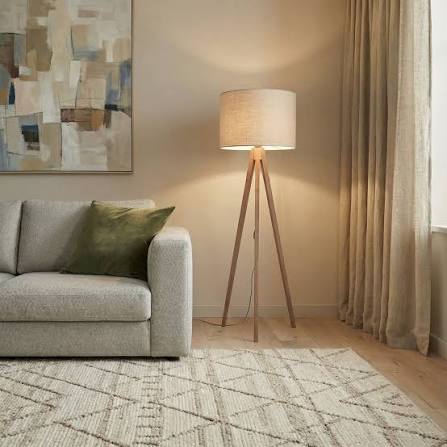
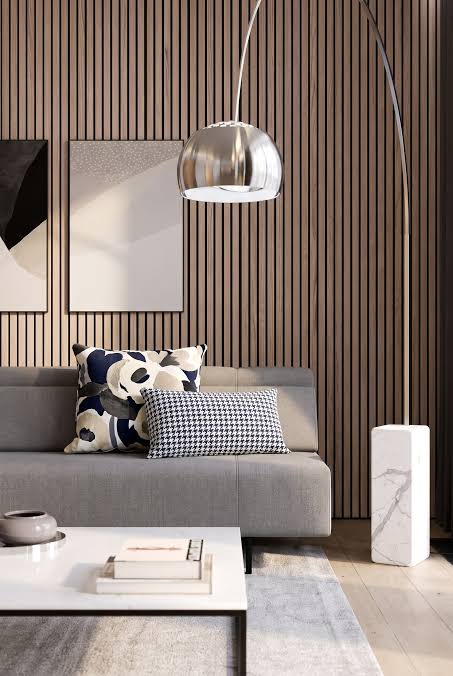
<p>One versatile lighting solution that combines functionality with decorative appeal is <strong><a href="https://the-decor-palette-6mw.pages.dev/transform-empty-walls-into-stylish-modern-features/">Floor Lamps</a></strong>. These fixtures offer an excellent way to brighten dark corners, create comfortable reading areas, and introduce stylish accents into different rooms. Available in countless designs, sizes, materials, and finishes, they can complement almost any interior style, from traditional and rustic to contemporary and minimalist.</p>
<figure class="post__image"><img loading="lazy"  src="https://the-decor-palette-6mw.pages.dev/media/posts/29//images-2026-11-14T093540.603.jpg" alt="" width="721" height="721" sizes="(max-width: 1024px) 100vw, 1024px" srcset="https://the-decor-palette-6mw.pages.dev/media/posts/29//responsive/images-2026-11-14T093540.603-xs.jpg 300w ,https://the-decor-palette-6mw.pages.dev/media/posts/29//responsive/images-2026-11-14T093540.603-sm.jpg 480w ,https://the-decor-palette-6mw.pages.dev/media/posts/29//responsive/images-2026-11-14T093540.603-md.jpg 768w ,https://the-decor-palette-6mw.pages.dev/media/posts/29//responsive/images-2026-11-14T093540.603-lg.jpg 1024w"></figure>
<h2>Understanding the Importance of Layered Lighting</h2>
<p>A well-designed room rarely depends on a single lighting source. Instead, interior designers often combine ambient, task, and accent lighting to create a balanced environment.</p>
<p>Ambient lighting provides general illumination throughout the room, usually through ceiling fixtures or recessed lights. Task lighting focuses on specific activities, such as reading, working, or studying. Accent lighting highlights decorative features, artwork, architectural details, and furniture arrangements.</p>
<p>Adding different lighting sources allows homeowners to adjust the atmosphere according to their needs. For example, a living room can have bright illumination during family activities and softer lighting during relaxing evenings.</p>
<p>Standing fixtures are particularly useful because they can introduce additional illumination without requiring permanent changes to walls or ceilings. Their flexibility makes them suitable for both large homes and compact apartments.</p>
<h2>Choosing the Right Design for Your Living Room</h2>
<p>The living room is one of the most suitable places to incorporate decorative lighting. Since this space is used for entertaining guests, watching television, reading, and relaxing, its lighting should be both practical and visually appealing.</p>
<p>A tall, elegant fixture beside a sofa can create a comfortable reading area while adding height to the furniture arrangement. Arc designs are especially attractive because their curved structures allow light to extend over seating areas without occupying the space directly above them.</p>
<p>For contemporary interiors, slim metal frames and simple geometric shapes create a clean appearance. Traditional living rooms may benefit from decorative bases, fabric shades, and warm metallic finishes.</p>
<p>Consider coordinating the fixture with other elements in the room, such as coffee tables, curtain rods, and decorative accessories. This creates a cohesive appearance without requiring every item to match exactly.</p>
<h2>Creating a Comfortable Reading Corner</h2>
<p>A dedicated reading corner can make a home feel more inviting and functional. Even a small unused corner can become a relaxing retreat with a comfortable chair, a compact side table, and appropriate lighting.</p>
<p>A standing light with an adjustable head is an excellent choice for this purpose because it directs illumination toward the reading material. This helps improve visibility while reducing the need for brighter overhead lighting.</p>
<p>Position the fixture slightly behind or beside the reading chair, depending on its design and the direction of the light. Choose a shade that minimizes glare and distributes illumination comfortably.</p>
<p>Warm white bulbs are generally suitable for relaxing environments, while neutral white options may be preferable for detailed reading and other focused activities.</p>
<p>Adding a soft rug, decorative cushions, and a small bookshelf can complete the arrangement and make the corner feel like a natural part of the home.</p>
<h2>Exploring Different Materials and Finishes</h2>
<p>The materials used in lighting fixtures influence their durability, appearance, and compatibility with different interior styles.</p>
<p>Metal is a popular option because it offers strength and versatility. Black, brushed brass, chrome, and bronze finishes can complement contemporary, industrial, and traditional interiors.</p>
<p>Wooden bases introduce warmth and natural character, making them particularly suitable for Scandinavian, rustic, and farmhouse-inspired spaces. Glass details can create a lighter appearance, while marble bases provide an elegant and sophisticated touch.</p>
<p>Fabric shades are another attractive option. They soften the appearance of illumination and work beautifully in traditional and transitional interiors.</p>
<p>When selecting materials, consider the existing furniture and decorative accessories. Combining different textures can create an interesting interior, provided the overall color palette remains balanced.</p>
<h2>Enhancing Small Spaces with Smart Lighting</h2>
<p>Small rooms require thoughtful furniture placement and lighting choices. Large fixtures with wide bases may occupy valuable floor space, so selecting compact designs is often more practical.</p>
<p>Slim-profile lighting with narrow bases can fit beside sofas, desks, and bedroom furniture without making the room feel crowded. Adjustable fixtures also provide flexibility because they can direct illumination where it is most useful.</p>
<p>Using lighting to brighten darker corners can make compact interiors feel more open. Positioning a fixture near a mirror may also help distribute available light throughout the room.</p>
<p>For studio apartments and multifunctional spaces, movable lighting is particularly useful. A single fixture can serve different purposes depending on the arrangement of furniture and the activities taking place.</p>
<h2>Bedroom Lighting for Relaxation and Comfort</h2>
<p>Bedrooms benefit from lighting that creates a peaceful and comfortable atmosphere. Although bedside lamps are common, standing fixtures offer another way to introduce soft illumination.</p>
<p>Placing a slim fixture beside a bedroom chair or in an empty corner can create a relaxing reading area. Designs with fabric shades are particularly effective because they produce a softer appearance.</p>
<p>For minimalist bedrooms, choose simple silhouettes and neutral finishes that complement the bedding, wardrobe, and bedside furniture.</p>
<p>Dimmable lighting can provide additional flexibility, allowing homeowners to adjust brightness according to the time of day and personal preferences.</p>
<p>It is also important to consider the bulb's color temperature. Warmer lighting generally creates a cozy environment, while excessively bright or cool lighting may feel less relaxing in the evening.</p>
<h2>Incorporating Modern and Industrial Styles</h2>
<p>Industrial and contemporary interior designs often use lighting as a decorative statement. Metal structures, exposed details, geometric shapes, and dark finishes can contribute to a distinctive appearance.</p>
<p>Black metal frames work especially well with exposed brick walls, concrete surfaces, and reclaimed wood furniture. These combinations create an urban atmosphere without making the space feel overly decorative.</p>
<p>Modern interiors often favor clean lines and understated forms. A sculptural lighting fixture can become an attractive focal point while maintaining the simplicity of the surrounding furniture.</p>
<p>For homeowners who prefer a more luxurious appearance, brushed brass and polished metallic details can introduce sophistication without overwhelming the room.</p>
<h2>Selecting the Right Bulb and Brightness</h2>
<p>The bulb is just as important as the fixture itself. Choosing an appropriate bulb ensures that the lighting performs well while supporting the desired atmosphere.</p>
<p>LED bulbs are a popular choice because they are energy-efficient and available in different brightness levels and color temperatures. They also come in various shapes and sizes, making them suitable for many decorative fixtures.</p>
<p>Lumens indicate how much visible light a bulb produces, while watts measure its energy consumption. Checking both specifications helps homeowners select suitable lighting for different activities.</p>
<p>For reading areas, choose sufficient brightness to make printed text easy to see. For decorative corners and relaxing spaces, softer illumination may be more appropriate.</p>
<p>Always check the manufacturer's recommended bulb type and maximum wattage before purchasing replacements.</p>
<h2>Practical Placement and Safety Considerations</h2>
<p>Proper placement improves both functionality and safety. Before positioning a fixture, consider nearby furniture, electrical outlets, walking paths, and available floor space.</p>
<p>Avoid placing standing fixtures where people may accidentally knock them over. Models with stable bases are especially important in homes with children or pets.</p>
<p>Keep electrical cords organized and away from frequently used walkways. Avoid overloading outlets, and inspect cables periodically for signs of damage.</p>
<p>In smaller rooms, positioning the fixture near a wall can help preserve movement space. In larger interiors, placing it beside seating arrangements or architectural features can create a more balanced layout.</p>
<h2>Conclusion</h2>
<p>Creating an attractive and comfortable home requires more than selecting beautiful furniture and decorative accessories. Thoughtful lighting choices help improve functionality, establish atmosphere, and bring different design elements together.</p>
<p>From elegant living room arrangements and cozy reading corners to modern bedroom accents, <strong>Floor Lamps</strong> offer a practical and stylish solution for illuminating different areas of the home. Their variety of designs, materials, and finishes makes it easy to find options that complement almost any decorating preference.</p>
<p>By considering room dimensions, lighting requirements, bulb specifications, and existing furniture, homeowners can select fixtures that provide lasting value. The result is a balanced interior that combines everyday convenience with warmth, comfort, and timeless visual appeal.</p>
            ]]>
        </content>
    </entry>
    <entry>
        <title>Transform Your Home with Beautiful and Functional Lighting Designs</title>
        <author>
            <name>James K. Perry</name>
        </author>
        <link href="https://the-decor-palette-6mw.pages.dev/transform-your-home-with-beautiful-and-functional-lighting-designs/"/>
        <id>https://the-decor-palette-6mw.pages.dev/transform-your-home-with-beautiful-and-functional-lighting-designs/</id>
        <media:content url="https://the-decor-palette-6mw.pages.dev/media/posts/28/images-2026-11-11T091041.296.jpg" medium="image" />
            <category term="Pendant &amp; Hanging Lights"/>
            <category term="Home Lighting &amp; Lamps"/>

        <updated>2026-11-11T09:12:46+02:00</updated>
            <summary type="html">
                <![CDATA[
                        <img src="https://the-decor-palette-6mw.pages.dev/media/posts/28/images-2026-11-11T091041.296.jpg" alt="" />
                    Lighting is one of the most important elements of interior design. It&hellip;
                ]]>
            </summary>
        <content type="html">
            <![CDATA[
                    <p><img src="https://the-decor-palette-6mw.pages.dev/media/posts/28/images-2026-11-11T091041.296.jpg" class="type:primaryImage" alt="" /></p>
                <h1> </h1>
<p><a href="https://the-decor-palette-6mw.pages.dev/transform-empty-walls-into-stylish-modern-features/">Lighting</a> is one of the most important elements of interior design. It influences the atmosphere of a room, highlights architectural details, and makes everyday activities more comfortable. The right lighting fixtures can transform an ordinary interior into a welcoming and visually appealing environment. Whether you are decorating a new home or updating an existing space, choosing attractive lighting solutions can make a significant difference.</p>
<p>Among the many lighting options available, suspended fixtures have become popular for their ability to combine practical illumination with decorative appeal. They can serve as elegant focal points while providing targeted lighting for dining areas, kitchen islands, bedrooms, and living rooms.</p>
<p>From minimalist designs to luxurious statement pieces, there are countless styles to complement different interior preferences.</p>
<h2>Why Decorative Lighting Matters in Interior Design</h2>
<p>Lighting does much more than illuminate a room. It helps establish the mood, improves functionality, and enhances the appearance of furniture and decorative accessories.</p>
<p>A carefully planned lighting arrangement can make a small room feel more spacious, create a cozy atmosphere in a bedroom, or highlight an attractive dining table.</p>
<p>Interior designers often combine three main types of lighting:</p>
<ul>
<li>
<div>
<div>
<p>Ambient Lighting: Provides general illumination throughout the room.</p>
</div>
</div>
</li>
<li>
<div>
<div>
<p>Task Lighting: Focuses light on specific activities, such as cooking, reading, or working.</p>
</div>
</div>
</li>
<li>
<div>
<div>
<p>Accent Lighting: Highlights decorative features, artwork, architectural details, and furniture.</p>
</div>
</div>
</li>
</ul>
<p>Combining these lighting layers creates a balanced environment that is both practical and attractive.</p>
<p> </p>
<figure class="post__image"><img loading="lazy"  src="https://the-decor-palette-6mw.pages.dev/media/posts/28/images-2026-11-11T091031.214.jpg" alt="" width="661" height="881" sizes="(max-width: 1024px) 100vw, 1024px" srcset="https://the-decor-palette-6mw.pages.dev/media/posts/28/responsive/images-2026-11-11T091031.214-xs.jpg 300w ,https://the-decor-palette-6mw.pages.dev/media/posts/28/responsive/images-2026-11-11T091031.214-sm.jpg 480w ,https://the-decor-palette-6mw.pages.dev/media/posts/28/responsive/images-2026-11-11T091031.214-md.jpg 768w ,https://the-decor-palette-6mw.pages.dev/media/posts/28/responsive/images-2026-11-11T091031.214-lg.jpg 1024w"></figure>
<h2>Explore Different Pendant Lighting Styles</h2>
<p>Choosing the right fixture depends on the room's dimensions, ceiling height, existing furniture, and preferred decorative style. Understanding different designs can help you find an option that complements your home.</p>
<h3>Modern Minimalist Designs</h3>
<p>Modern lighting fixtures often feature simple silhouettes, clean lines, and understated finishes. Black, white, brushed metal, and neutral tones are popular choices for contemporary interiors.</p>
<p>These designs are particularly suitable for homeowners who appreciate uncluttered spaces and functional decoration.</p>
<p>Minimalist suspended fixtures work beautifully above kitchen islands, dining tables, and breakfast counters. Their streamlined appearance allows them to provide illumination without overwhelming the surrounding furniture.</p>
<h3>Industrial Lighting Fixtures</h3>
<p>Industrial-style lighting introduces a distinctive character through exposed bulbs, metal shades, dark finishes, and geometric structures.</p>
<p>Inspired by traditional factories and workshops, these designs complement exposed brick walls, reclaimed wood furniture, and modern industrial interiors.</p>
<p>Black metal fixtures are especially popular because they create an attractive contrast against lighter walls and natural materials.</p>
<h3>Traditional and Classic Designs</h3>
<p>Traditional lighting fixtures bring elegance and decorative detail into interior spaces. They may feature curved metal elements, ornamental shapes, glass shades, and warm metallic finishes.</p>
<p>These styles are ideal for classic dining rooms, formal living spaces, and interiors featuring traditional furniture.</p>
<p>Gold and bronze finishes can introduce warmth and sophistication while complementing rich wood tones and luxurious fabrics.</p>
<h3>Contemporary Glass Designs</h3>
<p>Glass lighting fixtures offer a versatile combination of elegance and functionality. Transparent, frosted, and tinted glass shades create different visual effects while allowing light to spread throughout the surrounding area.</p>
<p>Globe-shaped designs are particularly attractive in contemporary interiors. They can be used individually or arranged in groups to create decorative lighting compositions.</p>
<h2>Choosing the Right Lighting for Different Rooms</h2>
<p>Every room has different lighting requirements. Selecting fixtures according to the function of each space helps create a comfortable and coordinated home.</p>
<h3>Kitchen Lighting</h3>
<p>The kitchen requires sufficient illumination for food preparation, cooking, and cleaning. Suspended fixtures are particularly useful above kitchen islands and breakfast counters.</p>
<p>A row of matching lights can create a balanced appearance while providing focused illumination across the countertop.</p>
<p>For modern kitchens, consider fixtures with simple shapes and easy-to-clean surfaces. Materials such as glass and metal are practical choices because they complement many kitchen finishes.</p>
<p>The size and number of fixtures should correspond to the dimensions of the island or counter.</p>
<h3>Dining Room Lighting</h3>
<p>The dining room is an ideal place to introduce decorative lighting. A carefully selected fixture positioned above the dining table can become the room's main focal point.</p>
<p>Large statement designs work well above spacious dining tables, while smaller fixtures may be more suitable for compact dining areas.</p>
<p>Consider the shape of your table when selecting a light. Linear fixtures complement rectangular tables, while round designs can work beautifully above circular dining arrangements.</p>
<p>Warm lighting is often preferred in dining areas because it creates an inviting atmosphere for family meals and entertaining guests.</p>
<h3>Living Room Lighting</h3>
<p>Living rooms benefit from layered lighting that combines general illumination with decorative and accent fixtures.</p>
<p>Suspended lighting can add visual interest to a seating area, especially when positioned in a suitable location with sufficient ceiling clearance.</p>
<p>Choose designs that complement sofas, coffee tables, rugs, and other decorative elements.</p>
<p>For smaller living rooms, lighter and more streamlined fixtures can help maintain an open appearance.</p>
<h3>Bedroom Lighting</h3>
<p>Bedroom lighting should create a peaceful atmosphere while supporting everyday activities such as reading and getting ready.</p>
<p>Pendant-style bedside fixtures can be an attractive alternative to traditional table lamps. Hanging lights positioned beside the bed can free up nightstand space while introducing an elegant decorative detail.</p>
<p>Soft illumination and warm color temperatures are generally suitable for creating a relaxing bedroom environment.</p>
<h2>How to Select the Perfect Size and Height</h2>
<p>Choosing the correct fixture size is essential for achieving a balanced interior design. A light that is too large may dominate a small room, while a fixture that is too small may appear disconnected from the surrounding furniture.</p>
<p>Before purchasing, measure the available space and consider the ceiling height.</p>
<p>For dining tables and kitchen islands, the hanging height should provide adequate illumination without obstructing people's view or interfering with everyday activities.</p>
<p>In rooms with lower ceilings, choose compact designs that provide sufficient clearance. Higher ceilings offer more opportunities to introduce larger statement fixtures or decorative arrangements.</p>
<p>It is also important to consider the fixture's overall proportions in relation to nearby furniture.</p>
<h2>Materials and Finishes That Complement Your Home</h2>
<p>The materials used in lighting fixtures influence their appearance, durability, and maintenance requirements.</p>
<p>Metal: Metal fixtures are popular for their durability and versatility. Black, chrome, brass, and bronze finishes complement different interior styles.</p>
<p>Glass: Glass shades create an elegant appearance and allow light to pass through in different ways. They are available in transparent, frosted, and colored finishes.</p>
<p>Wood: Wooden details introduce natural warmth and work particularly well in rustic, farmhouse, and Scandinavian interiors.</p>
<p>Fabric: Fabric shades create softer lighting effects and can add warmth to traditional and contemporary spaces.</p>
<p>When choosing finishes, consider coordinating them with cabinet handles, furniture hardware, faucets, and other decorative elements.</p>
<h2>Energy Efficiency and Lighting Technology</h2>
<p>Modern lighting technology makes it easier to combine attractive designs with energy efficiency. LED bulbs are popular because they generally consume less electricity and last longer than traditional incandescent alternatives.</p>
<p>They are available in different color temperatures, allowing homeowners to choose the atmosphere they prefer.</p>
<p>Warm white lighting creates a comfortable and relaxing environment, while neutral white can provide a balanced appearance for kitchens and work areas.</p>
<p>Before purchasing a fixture, check its bulb compatibility, wattage requirements, dimming capabilities, and installation specifications.</p>
<p>Dimmable lighting is particularly useful because it allows you to adjust brightness according to different activities and occasions.</p>
<h2>Tips for Creating a Beautiful Lighting Arrangement</h2>
<p>A successful lighting design involves more than choosing attractive individual fixtures. The entire arrangement should work together to provide balanced illumination.</p>
<p>Consider these practical suggestions:</p>
<ul>
<li>
<div>
<div>
<p>Combine ambient, task, and accent lighting for greater flexibility.</p>
</div>
</div>
</li>
<li>
<div>
<div>
<p>Choose fixture sizes that complement the dimensions of your furniture.</p>
</div>
</div>
</li>
<li>
<div>
<div>
<p>Coordinate finishes with your existing interior decorations.</p>
</div>
</div>
</li>
<li>
<div>
<div>
<p>Use warm lighting in spaces designed for relaxation.</p>
</div>
</div>
</li>
<li>
<div>
<div>
<p>Ensure that kitchen and work areas receive sufficient task illumination.</p>
</div>
</div>
</li>
<li>
<div>
<div>
<p>Avoid placing too many decorative fixtures in one small area.</p>
</div>
</div>
</li>
<li>
<div>
<div>
<p>Consider professional installation for electrical work and ceiling-mounted fixtures.</p>
</div>
</div>
</li>
</ul>
<p>These simple steps can help you create an attractive and functional lighting arrangement throughout your home.</p>
<h2>Find the Perfect Lighting to Complete Your Interior</h2>
<p>The right lighting fixtures can transform your home by combining practical illumination with distinctive decorative details. Whether you prefer contemporary minimalism, industrial character, classic elegance, or luxurious modern designs, choosing suitable suspended fixtures can enhance the appearance of almost any room.</p>
<p>Explore Pendant &amp; Hanging Lights to discover different styles, materials, finishes, and shapes that complement your interior design preferences. From elegant fixtures above dining tables to practical lighting solutions for kitchen islands and bedside spaces, the right choice can make your home more inviting and visually balanced.</p>
<p>Consider your room dimensions, ceiling height, lighting requirements, and existing furniture before making a decision. Paying attention to these details will help you select fixtures that offer lasting style and everyday functionality.</p>
<h2>Final Thoughts</h2>
<p>Beautiful lighting is an essential part of creating a comfortable and well-designed home. Suspended fixtures provide an opportunity to introduce personality, improve illumination, and highlight important areas throughout your interior.</p>
<p> </p>
            ]]>
        </content>
    </entry>
    <entry>
        <title> Stylish and Comfortable Accessories for Modern Home Decor</title>
        <author>
            <name>James K. Perry</name>
        </author>
        <link href="https://the-decor-palette-6mw.pages.dev/throw-pillows-stylish-and-comfortable-accessories-for-modern-home-decor/"/>
        <id>https://the-decor-palette-6mw.pages.dev/throw-pillows-stylish-and-comfortable-accessories-for-modern-home-decor/</id>
        <media:content url="https://the-decor-palette-6mw.pages.dev/media/posts/27/images-22.jpg" medium="image" />
            <category term="Throw Pillows"/>
            <category term="Modern Decor Accessories"/>

        <updated>2026-11-02T20:05:34+02:00</updated>
            <summary type="html">
                <![CDATA[
                        <img src="https://the-decor-palette-6mw.pages.dev/media/posts/27/images-22.jpg" alt="" />
                    Creating a beautiful and comfortable home involves more than choosing the right&hellip;
                ]]>
            </summary>
        <content type="html">
            <![CDATA[
                    <p><img src="https://the-decor-palette-6mw.pages.dev/media/posts/27/images-22.jpg" class="type:primaryImage" alt="" /></p>
                <div>
<div>
<div>
<div>
<p>Creating a beautiful and comfortable home involves more than choosing the right furniture and wall colors. Small decorative details can make a significant difference in how a room looks and feels. Among the most versatile accessories in interior design, throw pillows offer an easy way to introduce color, texture, comfort, and personality into different living spaces.</p>
<p>Whether placed on a sofa, armchair, bed, or decorative bench, throw pillows can transform an ordinary furniture arrangement into an inviting and stylish environment. Their flexibility makes them particularly useful for homeowners who enjoy refreshing their interiors without making expensive changes.</p>
<p>From minimalist designs and neutral fabrics to colorful patterns and luxurious textures, throw pillows are available in countless styles that complement different decorating preferences.</p>
<p> </p>
<figure class="post__image"><img loading="lazy"  src="https://the-decor-palette-6mw.pages.dev/media/posts/27/images-23.jpg" alt="" width="718" height="1071" sizes="(max-width: 1024px) 100vw, 1024px" srcset="https://the-decor-palette-6mw.pages.dev/media/posts/27/responsive/images-23-xs.jpg 300w ,https://the-decor-palette-6mw.pages.dev/media/posts/27/responsive/images-23-sm.jpg 480w ,https://the-decor-palette-6mw.pages.dev/media/posts/27/responsive/images-23-md.jpg 768w ,https://the-decor-palette-6mw.pages.dev/media/posts/27/responsive/images-23-lg.jpg 1024w"></figure>
<h2>What Are Throw Pillows?</h2>
<p>Throw pillows are decorative cushions designed to enhance the appearance and comfort of furniture. Unlike standard sleeping pillows, they are primarily used as decorative accessories, although they can also provide additional support when sitting or relaxing.</p>
<p>They are commonly placed on sofas, beds, accent chairs, window seats, and outdoor furniture. Their shapes, sizes, fabrics, and filling materials vary depending on their intended use and decorative style.</p>
<p>Some throw pillows feature simple solid colors, while others include embroidered details, geometric patterns, floral designs, or textured surfaces.</p>
<p>Because they are relatively easy to replace, throw pillows provide an affordable way to update a room's appearance throughout the year.</p>
<h2>Benefits of Using Throw Pillows in Home Decor</h2>
<p>Throw pillows offer several practical and decorative advantages that make them valuable additions to modern interiors.</p>
<h3>1. Add Color and Personality</h3>
<p>One of the easiest ways to introduce color into a living room is through decorative pillows. They can complement existing furniture or create contrast against neutral upholstery.</p>
<p>For example, a beige sofa can look more interesting when decorated with terracotta, olive green, navy blue, or soft cream pillows.</p>
<p>If your furniture already features bold colors, neutral throw pillows can help create a more balanced appearance.</p>
<h3>2. Improve Everyday Comfort</h3>
<p>Decorative pillows can provide additional support while sitting, reading, or relaxing.</p>
<p>Larger cushions may support the back, while smaller pillows can improve comfort when placed against the arms of a sofa or chair.</p>
<p>The filling material influences how a pillow feels. Polyester filling is commonly used for lightweight decorative cushions, while feather and down blends can provide a softer, more flexible appearance.</p>
<p>Choosing the right filling depends on whether comfort, decorative structure, or easy maintenance is your main priority.</p>
<h3>3. Introduce Different Textures</h3>
<p>Texture is an important element of interior design because it adds depth and visual interest.</p>
<p>Throw pillows made from velvet, linen, cotton, boucle, or knitted fabrics can create attractive contrasts with smooth furniture surfaces.</p>
<p>For example, textured cushions can make a leather sofa feel warmer, while linen pillows can complement wooden furniture and natural decorative accessories.</p>
<p>Combining different fabrics is an effective way to create a layered appearance without introducing too many colors.</p>
<h3>4. Refresh Interiors Without Replacing Furniture</h3>
<p>Replacing furniture can be expensive and time-consuming. Throw pillows provide a simple alternative when you want to change the appearance of a room.</p>
<p>You can introduce new colors, patterns, or textures while keeping your existing sofa, chairs, and bed.</p>
<p>Changing pillow covers is also a practical way to refresh your decor for different seasons or special occasions.</p>
<h3>5. Complement Different Interior Styles</h3>
<p>Throw pillows are suitable for many decorating styles because they are available in a wide variety of designs.</p>
<p>Minimalist interiors benefit from simple shapes and neutral colors, while bohemian spaces can incorporate decorative patterns, embroidery, and layered textures.</p>
<p>Traditional homes may feature elegant fabrics and classic patterns, whereas contemporary interiors often use geometric designs and understated colors.</p>
<p>This flexibility makes decorative pillows useful for creating a coordinated appearance throughout the home.</p>
<h2>Popular Types of Throw Pillows</h2>
<p>Choosing the right type of throw pillow depends on your furniture, available space, and preferred decorating style.</p>
<h3>1. Velvet Throw Pillows</h3>
<p>Velvet throw pillows are known for their soft texture and elegant appearance. Their surface reflects light subtly, creating depth and richness.</p>
<p>They work particularly well in sophisticated living rooms, contemporary bedrooms, and interiors featuring luxurious materials.</p>
<p>Popular colors include emerald green, navy blue, burgundy, beige, and warm brown.</p>
<p>Pair velvet cushions with simple upholstery to allow their texture to stand out.</p>
<h3>2. Linen Throw Pillows</h3>
<p>Linen pillows offer a natural appearance that works beautifully in relaxed interiors.</p>
<p>Their slightly textured fabric creates an understated decorative effect, making them suitable for Scandinavian, coastal, farmhouse, and minimalist homes.</p>
<p>Neutral linen cushions can complement wooden furniture, natural rugs, and lightweight curtains.</p>
<p>They are especially attractive when combined with other organic materials.</p>
<h3>3. Patterned Throw Pillows</h3>
<p>Patterned cushions introduce visual interest and help establish a decorative theme.</p>
<p>Geometric patterns work well in contemporary spaces, while floral designs can complement traditional or romantic interiors.</p>
<p>Abstract patterns are another option for homeowners who want a modern appearance without using overly complicated decorative elements.</p>
<p>When selecting patterned pillows, consider the colors already present in your furniture, rugs, and curtains.</p>
<h3>4. Textured Throw Pillows</h3>
<p>Textured cushions feature distinctive surfaces created through weaving, embroidery, knitting, or decorative stitching.</p>
<p>Boucle, woven cotton, and knitted designs can make a room feel more comfortable and visually layered.</p>
<p>These pillows are particularly useful in neutral interiors where texture provides interest without relying on bright colors.</p>
<h3>5. Decorative Outdoor Throw Pillows</h3>
<p>Outdoor throw pillows are designed for patios, balconies, gardens, and other exterior seating areas.</p>
<p>They often use fabrics intended to resist fading and handle outdoor conditions more effectively than ordinary indoor materials.</p>
<p>When choosing outdoor cushions, consider the manufacturer's guidance regarding water resistance, UV exposure, cleaning, and storage.</p>
<h2>How to Style Throw Pillows on Sofas</h2>
<p>A sofa is one of the most popular places to display decorative cushions.</p>
<p>The right arrangement can improve the appearance of your living room while making the seating area more comfortable.</p>
<h3>Create a Balanced Arrangement</h3>
<p>Start by selecting pillows that complement the sofa's color and shape.</p>
<p>For a symmetrical arrangement, place matching cushions at opposite ends of the sofa. This creates a traditional and organized appearance.</p>
<p>For a more relaxed look, combine different sizes and patterns while maintaining a consistent color palette.</p>
<h3>Mix Different Sizes</h3>
<p>Using pillows of different sizes introduces depth and dimension.</p>
<p>Larger cushions can provide a foundation at the back, while smaller decorative pillows can be placed in front.</p>
<p>However, avoid adding too many cushions. The arrangement should leave enough space for people to sit comfortably without constantly moving decorative accessories.</p>
<h3>Combine Patterns Carefully</h3>
<p>Mixing patterns can create an interesting and personalized appearance.</p>
<p>A useful approach is to combine one larger pattern with smaller geometric designs and a few solid-colored cushions.</p>
<p>Choose patterns that share similar colors to maintain visual harmony.</p>
<p>For example, floral, striped, and geometric pillows can work together when they include complementary shades of beige, green, or blue.</p>
<h2>Decorating Bedrooms with Throw Pillows</h2>
<p>Throw pillows can also enhance the appearance of bedroom interiors.</p>
<p>They provide an opportunity to introduce decorative layers while complementing the bedding, headboard, and bedside furniture.</p>
<h3>Layer Pillows on the Bed</h3>
<p>Begin with the regular sleeping pillows, then introduce decorative cushions in different sizes.</p>
<p>Larger pillows can be placed toward the back, while smaller accent pillows sit closer to the front.</p>
<p>This arrangement creates depth and makes the bed look more carefully styled.</p>
<h3>Coordinate Colors with Bedding</h3>
<p>Choose throw pillows that complement your duvet, sheets, and bedroom curtains.</p>
<p>Neutral bedding provides flexibility because it works with different accent colors.</p>
<p>If your bedding features a strong pattern, consider using simpler cushions to avoid creating a crowded appearance.</p>
<h3>Add Texture for a Cozy Atmosphere</h3>
<p>Soft fabrics can make bedrooms feel more inviting.</p>
<p>Velvet, cotton, linen, and knitted cushions introduce different textures that work well with upholstered headboards and natural wood furniture.</p>
<p>The goal is to create a comfortable arrangement that looks attractive without making the bed difficult to use.</p>
<h2>Choosing the Right Throw Pillow Colors</h2>
<p>Color selection plays an important role in successful pillow styling.</p>
<p>Neutral colors such as white, cream, beige, gray, and taupe are versatile choices that complement many furniture styles.</p>
<p>For a more colorful interior, consider shades such as:</p>
<ul>
<li>
<div>
<div>
<p>Terracotta: Adds warmth and works well with natural wood.</p>
</div>
</div>
</li>
<li>
<div>
<div>
<p>Olive green: Creates an organic appearance and complements neutral fabrics.</p>
</div>
</div>
</li>
<li>
<div>
<div>
<p>Navy blue: Introduces contrast and a sophisticated atmosphere.</p>
</div>
</div>
</li>
<li>
<div>
<div>
<p>Mustard yellow: Adds brightness and works well with warm color palettes.</p>
</div>
</div>
</li>
<li>
<div>
<div>
<p>Soft pink: Creates a gentle decorative accent in bedrooms and living rooms.</p>
</div>
</div>
</li>
</ul>
<p>You can also repeat colors from existing accessories to create a coordinated appearance.</p>
<p>For example, a pillow color can match a rug detail, artwork, decorative vase, or curtain pattern.</p>
<h2>How to Choose the Best Throw Pillows</h2>
<p>Before purchasing decorative cushions, consider the following factors.</p>
<p>Size: Choose dimensions that suit your sofa, chair, or bed. Oversized pillows may overwhelm smaller furniture.</p>
<p>Fabric: Select materials based on comfort, appearance, and maintenance requirements.</p>
<p>Filling: Consider whether you prefer soft, flexible cushions or firmer designs that maintain their shape.</p>
<p>Color: Choose shades that complement your existing interior rather than competing with other decorative elements.</p>
<p>Pattern: Use patterns carefully to create interest while maintaining visual balance.</p>
<p>Maintenance: Check whether the pillow cover can be removed and washed according to the manufacturer's instructions.</p>
<p>These considerations help ensure that your throw pillows remain attractive and practical for everyday use.</p>
<h2>Cleaning and Maintaining Throw Pillows</h2>
<p>Regular maintenance helps preserve the appearance and comfort of decorative cushions.</p>
<p>Vacuuming with a suitable upholstery attachment can remove dust and loose particles. Removable covers should be cleaned according to their care labels.</p>
<p>Some fabrics require gentle washing, while others may need professional cleaning.</p>
<p>Avoid exposing delicate materials to excessive heat or harsh cleaning products.</p>
<p>If pillows are used frequently, rotating them occasionally can help maintain their shape and reduce uneven wear.</p>
<p>For outdoor cushions, follow the manufacturer's recommendations for cleaning, drying, and storage.</p>
<h2>Conclusion</h2>
<p>Throw pillows are versatile decorative accessories that can transform the appearance of living rooms, bedrooms, and other interior spaces. Their combination of color, texture, comfort, and flexibility makes them an essential element of modern home decor.</p>
<p>Whether you prefer minimalist cushions, luxurious velvet designs, natural linen fabrics, or colorful patterned accessories, the right selection can enhance your furniture and create a more welcoming atmosphere.</p>
<p>By choosing suitable sizes, coordinating colors, mixing textures, and maintaining a balanced arrangement, you can use throw pillows to refresh your interior without replacing your existing furniture.</p>
<p>A carefully selected collection of decorative cushions offers a simple and effective way to make your home feel more comfortable, stylish, and personal.</p>
</div>
<div> </div>
</div>
<div>
<div> </div>
</div>
</div>
<div>
<div>
<div>
<div>
<div>
<div> </div>
</div>
</div>
</div>
</div>
</div>
</div>
<div> </div>
            ]]>
        </content>
    </entry>
    <entry>
        <title> A Luxurious Touch for Stylish and Comfortable Living Rooms</title>
        <author>
            <name>James K. Perry</name>
        </author>
        <link href="https://the-decor-palette-6mw.pages.dev/a-luxurious-touch-for-stylish-and-comfortable-living-rooms/"/>
        <id>https://the-decor-palette-6mw.pages.dev/a-luxurious-touch-for-stylish-and-comfortable-living-rooms/</id>
        <media:content url="https://the-decor-palette-6mw.pages.dev/media/posts/26/images.jpg" medium="image" />
            <category term="Velvet Couches"/>
            <category term="Living Room Designs &amp; Sofas"/>

        <updated>2026-11-01T20:27:06+02:00</updated>
            <summary type="html">
                <![CDATA[
                        <img src="https://the-decor-palette-6mw.pages.dev/media/posts/26/images.jpg" alt="" />
                    Velvet couches have become a popular choice for homeowners who want to&hellip;
                ]]>
            </summary>
        <content type="html">
            <![CDATA[
                    <p><img src="https://the-decor-palette-6mw.pages.dev/media/posts/26/images.jpg" class="type:primaryImage" alt="" /></p>
                <div>
<div>
<div>
<p>Velvet couches have become a popular choice for homeowners who want to combine elegance, comfort, and timeless style. Their soft texture, rich appearance, and beautiful colors make them an attractive addition to different interior design styles. Whether you prefer a modern living room, a classic interior, or a cozy contemporary space, a velvet sofa can create an impressive focal point while providing comfortable seating for everyday use.</p>
<p>Beyond their luxurious appearance, velvet couches offer plenty of design possibilities. They are available in different shapes, sizes, colors, and finishes, making it easy to find an option that complements your existing furniture. From deep emerald green and navy blue to warm beige and sophisticated gray, velvet upholstery can transform the atmosphere of almost any living room.</p>
<p> </p>
<figure class="post__image"><img loading="lazy"  src="https://the-decor-palette-6mw.pages.dev/media/posts/26/images-2.jpg" alt="" width="791" height="1180" sizes="(max-width: 1024px) 100vw, 1024px" srcset="https://the-decor-palette-6mw.pages.dev/media/posts/26/responsive/images-2-xs.jpg 300w ,https://the-decor-palette-6mw.pages.dev/media/posts/26/responsive/images-2-sm.jpg 480w ,https://the-decor-palette-6mw.pages.dev/media/posts/26/responsive/images-2-md.jpg 768w ,https://the-decor-palette-6mw.pages.dev/media/posts/26/responsive/images-2-lg.jpg 1024w"></figure>
<h2>Why Choose Velvet Couches for Your Living Room?</h2>
<p>One of the main reasons homeowners choose velvet couches is their distinctive appearance. Velvet has a soft, smooth surface that reflects light differently depending on the direction of its fibers. This creates subtle variations in color and gives furniture an attractive sense of depth.</p>
<p>Velvet upholstery also introduces a feeling of sophistication without requiring complicated decorations. A simple velvet sofa can become the centerpiece of a room, especially when paired with carefully selected cushions, rugs, and lighting.</p>
<p>Another advantage is versatility. Velvet couches are available in traditional designs with decorative details as well as modern styles featuring clean lines and minimal shapes. This flexibility makes them suitable for a wide range of homes.</p>
<h2>Popular Velvet Couch Styles</h2>
<p>Choosing the right velvet couch involves considering both your preferred design and the available living room space. Different styles create different visual effects and offer various seating arrangements.</p>
<h3>1. Modern Velvet Couches</h3>
<p>Modern velvet couches are known for their simple silhouettes, straight lines, and elegant proportions. Many designs feature slim legs, low backs, and minimal decorative details.</p>
<p>These sofas work beautifully in contemporary interiors where furniture is selected for both functionality and appearance. Neutral colors such as gray, beige, and cream create a calm atmosphere, while darker shades introduce a stronger visual statement.</p>
<h3>2. Chesterfield Velvet Sofas</h3>
<p>Chesterfield sofas are recognized for their deep button tufting, rolled arms, and traditional appearance. When upholstered in velvet, they become particularly elegant and luxurious.</p>
<p>A velvet Chesterfield couch can complement classic living rooms, vintage-inspired spaces, and interiors that combine traditional and contemporary furniture. Rich colors such as burgundy, emerald green, and navy blue enhance its distinctive character.</p>
<h3>3. Velvet Sectional Couches</h3>
<p>Sectional velvet couches are excellent choices for larger living rooms and open-plan spaces. Their extended seating arrangements provide plenty of room for family members and guests.</p>
<p>L-shaped sectionals fit neatly into corners, while U-shaped designs create a more spacious seating area. Before purchasing one, measure your room carefully and consider the location of doors, windows, and walking paths.</p>
<h3>4. Velvet Loveseats</h3>
<p>A velvet loveseat offers comfortable seating for two people without occupying as much space as a full-size sofa. It is suitable for apartments, bedrooms, reading corners, and smaller living rooms.</p>
<p>You can use a loveseat alongside a larger sofa or place it independently to create an attractive seating area. Choosing a coordinated color helps connect it with other furniture pieces.</p>
<h2>Best Velvet Couch Colors for Different Interiors</h2>
<p>Color plays an important role in determining how a velvet couch looks within a room. Because velvet naturally creates depth and subtle changes in appearance, selecting the right shade can make a significant difference.</p>
<p>Emerald Green: Emerald green velvet couches create a sophisticated and luxurious atmosphere. They look especially attractive with brass accessories, wooden furniture, and neutral walls.</p>
<p>Navy Blue: Navy blue is an excellent option for homeowners who want an elegant color that is relatively easy to coordinate. It works well with white, gray, beige, and metallic finishes.</p>
<p>Burgundy: Burgundy velvet sofas add warmth and richness to traditional and contemporary interiors. They can become striking focal points when surrounded by lighter colors.</p>
<p>Gray: Gray velvet couches offer versatility and understated elegance. They complement minimalist interiors and can be styled with colorful cushions and patterned rugs.</p>
<p>Beige and Cream: Light velvet couches create a soft and welcoming appearance. They are particularly suitable for neutral interiors, although they may require more frequent cleaning and careful maintenance.</p>
<p>Black: Black velvet couches introduce a dramatic and modern look. Pairing them with lighter walls, warm lighting, and natural materials helps create visual balance.</p>
<h2>How to Style Velvet Couches</h2>
<p>A velvet couch can look beautiful on its own, but combining it with suitable decorative elements helps create a complete living room design.</p>
<h3>Combine Different Textures</h3>
<p>Velvet works particularly well with materials that provide contrast. Wooden coffee tables, marble surfaces, woven rugs, linen curtains, and metal accessories can create an interesting combination.</p>
<p>For example, an emerald velvet sofa paired with a natural wooden coffee table and a cream-colored rug creates a balanced appearance. Mixing textures makes the room feel layered without requiring too many decorative objects.</p>
<h3>Choose Complementary Cushions</h3>
<p>Decorative cushions are an easy way to enhance the appearance of velvet couches. Consider combining different sizes, patterns, and fabrics while keeping the color palette coordinated.</p>
<p>Linen, cotton, and knitted cushions can soften the luxurious appearance of velvet. Metallic or embroidered details may also introduce a decorative touch.</p>
<h3>Add an Attractive Area Rug</h3>
<p>A suitable area rug helps define the seating arrangement and connects the sofa with the rest of the room. Neutral rugs work particularly well with colorful velvet couches, while patterned designs can add character to simpler sofas.</p>
<p>Make sure the rug is appropriately sized for your seating area. Ideally, the front legs of the main seating furniture should rest on the rug to create a connected arrangement.</p>
<h3>Use Lighting to Highlight Velvet</h3>
<p>Lighting can enhance the appearance of velvet because its surface reflects light in different directions. Floor lamps, table lamps, and pendant lights can highlight the sofa's texture and create a comfortable atmosphere.</p>
<p>Warm lighting is particularly suitable for living rooms because it makes the space feel more relaxing during the evening.</p>
<h2>Are Velvet Couches Comfortable?</h2>
<p>Velvet couches are often appreciated for their soft upholstery and inviting appearance. However, overall comfort depends on more than the fabric.</p>
<p>The sofa's internal construction, seat depth, cushion filling, back support, and frame quality all influence how comfortable it feels. Some designs have firm cushions that provide structured support, while others feature softer seating for a relaxed experience.</p>
<p>Before purchasing a velvet couch, consider how you plan to use it. A family living room may require durable construction and supportive cushions, while a decorative seating area may prioritize appearance and occasional use.</p>
<p>Whenever possible, test the sofa in person to evaluate its comfort and proportions.</p>
<h2>How to Clean and Maintain Velvet Couches</h2>
<p>Proper maintenance helps preserve the beauty and appearance of velvet upholstery. Although velvet can look delicate, many modern upholstery fabrics are designed for regular household use.</p>
<p>Follow these practical care tips:</p>
<ul>
<li>
<div>
<div>
<p>Vacuum regularly: Use a soft upholstery attachment to remove dust, crumbs, and loose dirt.</p>
</div>
</div>
</li>
<li>
<div>
<div>
<p>Treat spills quickly: Gently blot liquid spills with a clean, absorbent cloth instead of rubbing the fabric.</p>
</div>
</div>
</li>
<li>
<div>
<div>
<p>Check cleaning instructions: Different velvet materials require different cleaning methods. Always follow the manufacturer's recommendations.</p>
</div>
</div>
</li>
<li>
<div>
<div>
<p>Brush carefully: A suitable soft brush can help maintain the fabric's appearance and lift flattened fibers.</p>
</div>
</div>
</li>
<li>
<div>
<div>
<p>Avoid excessive moisture: Using too much water may leave marks or affect certain velvet fabrics.</p>
</div>
</div>
</li>
<li>
<div>
<div>
<p>Protect from direct sunlight: Prolonged exposure to strong sunlight can cause some upholstery colors to fade.</p>
</div>
</div>
</li>
</ul>
<p>For difficult stains, professional upholstery cleaning may be the safest option.</p>
<h2>Velvet Couches for Small Living Rooms</h2>
<p>Velvet couches are not limited to large homes or spacious interiors. With the right proportions, they can also look beautiful in smaller apartments.</p>
<p>Choose a compact two-seater sofa or a slim modern design with raised legs. Furniture with visible legs can create a lighter visual appearance because more of the floor remains visible.</p>
<p>Lighter velvet shades, such as beige, dusty pink, and soft gray, can help maintain an open feeling. Avoid selecting an oversized sofa that blocks walkways or makes the room difficult to arrange.</p>
<p>A small velvet loveseat paired with a round coffee table can create an elegant seating area without taking up too much space.</p>
<h2>What to Consider Before Buying a Velvet Couch</h2>
<p>Before investing in a velvet sofa, evaluate several important factors to ensure that it suits your home and lifestyle.</p>
<p>First, measure the available space and compare it with the sofa's dimensions. Remember to account for delivery access, doorways, staircases, and room layout.</p>
<p>Second, understand the upholstery material. Velvet can be made from different fibers, including polyester, cotton, and blends. Their durability, appearance, and maintenance requirements may vary.</p>
<p>Third, inspect the frame, cushion construction, stitching, and overall finish. A beautiful exterior should be supported by reliable construction.</p>
<p>Finally, consider your household's daily needs. Homes with children or pets may benefit from performance velvet or other upholstery specifically designed for easier cleaning and greater resistance to wear.</p>
<h2>Conclusion</h2>
<p>Velvet couches are an excellent way to introduce luxury, comfort, and personality into your living room. Their distinctive texture, attractive colors, and wide range of designs make them suitable for modern apartments, classic homes, and contemporary interiors.</p>
<p>From elegant Chesterfield sofas to practical sectional couches and compact loveseats, there are options for different spaces and decorating preferences. By choosing the right color, combining complementary materials, and following proper maintenance practices, you can enjoy a beautiful velvet sofa for years.</p>
<p>Whether you want to create a dramatic focal point or add a subtle touch of elegance, velvet couches offer a stylish furniture solution that combines visual appeal with everyday functionality.</p>
</div>
<div> </div>
</div>
<div>
<div> </div>
</div>
</div>
<div>
<div>
<div>
<div>
<div>
<div> </div>
</div>
</div>
</div>
</div>
</div>
            ]]>
        </content>
    </entry>
    <entry>
        <title> Beautiful Decorative Details That Transform Your Home</title>
        <author>
            <name>James K. Perry</name>
        </author>
        <link href="https://the-decor-palette-6mw.pages.dev/beautiful-decorative-details-that-transform-your-home/"/>
        <id>https://the-decor-palette-6mw.pages.dev/beautiful-decorative-details-that-transform-your-home/</id>
        <media:content url="https://the-decor-palette-6mw.pages.dev/media/posts/25/images-2026-10-31T224633.996-2.jpg" medium="image" />
            <category term="Vases &amp; Bowls"/>
            <category term="Modern Decor Accessories"/>

        <updated>2026-10-31T22:50:33+02:00</updated>
            <summary type="html">
                <![CDATA[
                        <img src="https://the-decor-palette-6mw.pages.dev/media/posts/25/images-2026-10-31T224633.996-2.jpg" alt="" />
                    Vases and bowls are essential decorative elements that bring elegance, personality, and&hellip;
                ]]>
            </summary>
        <content type="html">
            <![CDATA[
                    <p><img src="https://the-decor-palette-6mw.pages.dev/media/posts/25/images-2026-10-31T224633.996-2.jpg" class="type:primaryImage" alt="" /></p>
                <p><a href="https://the-decor-palette-6mw.pages.dev/stylish-ways-to-refresh-your-modern-home-decor/">Vases and bowls</a> are essential decorative elements that bring elegance, personality, and visual harmony to modern interiors. Although they are often considered small accessories, their impact on the overall appearance of a room can be significant. A beautifully shaped vase can become an artistic focal point, while a decorative bowl can add texture, color, and functionality to a coffee table, dining area, or console.</p>
<p>Modern home decorating is not only about selecting attractive furniture and choosing suitable wall colors. It is also about paying attention to the details that make a space feel complete. Decorative accessories help express personal taste, connect different design elements, and introduce character without requiring major changes to the interior.</p>
<p>From minimalist ceramic pieces to luxurious marble bowls and elegant glass designs, there are countless options to explore. By choosing the right shapes, materials, colors, and arrangements, homeowners can create sophisticated interiors that feel welcoming and visually balanced.</p>
<p> </p>
<figure class="post__image"><img loading="lazy"  src="https://the-decor-palette-6mw.pages.dev/media/posts/25//images-2026-10-31T224633.996.jpg" alt="" width="718" height="1077" sizes="(max-width: 1024px) 100vw, 1024px" srcset="https://the-decor-palette-6mw.pages.dev/media/posts/25//responsive/images-2026-10-31T224633.996-xs.jpg 300w ,https://the-decor-palette-6mw.pages.dev/media/posts/25//responsive/images-2026-10-31T224633.996-sm.jpg 480w ,https://the-decor-palette-6mw.pages.dev/media/posts/25//responsive/images-2026-10-31T224633.996-md.jpg 768w ,https://the-decor-palette-6mw.pages.dev/media/posts/25//responsive/images-2026-10-31T224633.996-lg.jpg 1024w"></figure>
<h2>Why Vases and Bowls Matter in Home Decoration</h2>
<p>Decorative accessories help create a connection between furniture, lighting, colors, and architectural details. Without these finishing touches, even a beautifully furnished room may feel incomplete.</p>
<p>Vases introduce height and visual movement. They can be displayed with fresh flowers, dried branches, or decorative grasses, making them suitable for different interior styles. Sculptural vases can also stand alone as artistic objects.</p>
<p>Bowls provide a different decorative effect through their curves, textures, and proportions. They can be used as centerpieces or placed on shelves and tables to create attractive displays.</p>
<p>One of the greatest advantages of these accessories is their flexibility. They can be moved between rooms, rearranged according to changing preferences, or replaced seasonally to refresh the appearance of a home.</p>
<figure class="post__image"><img loading="lazy"  src="https://the-decor-palette-6mw.pages.dev/media/posts/25/images-2026-10-31T224644.433.jpg" alt="" width="682" height="464" sizes="(max-width: 1024px) 100vw, 1024px" srcset="https://the-decor-palette-6mw.pages.dev/media/posts/25/responsive/images-2026-10-31T224644.433-xs.jpg 300w ,https://the-decor-palette-6mw.pages.dev/media/posts/25/responsive/images-2026-10-31T224644.433-sm.jpg 480w ,https://the-decor-palette-6mw.pages.dev/media/posts/25/responsive/images-2026-10-31T224644.433-md.jpg 768w ,https://the-decor-palette-6mw.pages.dev/media/posts/25/responsive/images-2026-10-31T224644.433-lg.jpg 1024w"></figure>
<h2>Exploring Different Materials and Finishes</h2>
<p>The material of a vase or bowl influences its appearance and how it complements the surrounding furniture.</p>
<p><strong>Ceramic Vases and Bowls</strong></p>
<p>Ceramic accessories are among the most versatile decorative choices. They are available in matte, glossy, textured, and handcrafted finishes.</p>
<p>Matte ceramic pieces offer a subtle and understated appearance, while glazed designs can introduce shine and color. Handcrafted ceramics often feature irregular shapes and small variations that make each piece feel distinctive.</p>
<p><strong>Glass Decorative Pieces</strong></p>
<p>Glass vases and bowls create a light and elegant atmosphere. Transparent glass works particularly well in smaller spaces because it provides decoration without creating a heavy visual effect.</p>
<p>Colored glass can introduce subtle accents, while textured and ribbed finishes add depth and interest.</p>
<p><strong>Wooden Bowls and Natural Accessories</strong></p>
<p>Wooden bowls bring warmth and organic character into interiors. Their natural grains and earthy tones work beautifully with wooden furniture, linen fabrics, and indoor plants.</p>
<p>They are particularly suitable for homeowners who appreciate natural materials and relaxed decorating styles.</p>
<p><strong>Marble and Stone Designs</strong></p>
<p>Marble bowls and stone vases offer a sophisticated appearance. Their distinctive patterns and solid textures make them attractive statement pieces.</p>
<p>They can complement luxurious interiors as well as contemporary spaces that use natural stone, metallic details, and neutral colors.</p>
<p><strong>Metal Vases and Bowls</strong></p>
<p>Metal accessories can introduce contrast and elegance. Brass, stainless steel, and black metal finishes work well with modern furniture and carefully selected decorative lighting.</p>
<h2>Choosing the Perfect Vase for Every Room</h2>
<p>Selecting the right vase depends on the room, available surface area, and overall decorating style.</p>
<p>In living rooms, larger sculptural vases can be placed on consoles, side tables, or open shelves. Tall designs can balance low furniture, while smaller vases are suitable for coffee tables and compact decorative arrangements.</p>
<p>Bedrooms benefit from simple and calming accessories. A small ceramic vase on a bedside table or dresser can introduce an elegant detail without making the room feel crowded.</p>
<p>Dining rooms provide an opportunity to display decorative vases as centerpieces. A long table may accommodate a low arrangement, while a smaller dining table can look attractive with a single elegant vase.</p>
<p>Entryways are also ideal locations for decorative pieces. A vase placed on a console table can create a welcoming first impression, especially when paired with a mirror or framed artwork.</p>
<p>When choosing a vase, consider its height and proportions. A very large piece may overwhelm a small surface, while a tiny accessory may become difficult to notice in a spacious room.</p>
<h2>Decorative Bowls for Practical and Stylish Spaces</h2>
<p>Decorative bowls combine beauty with everyday functionality.</p>
<p>On coffee tables, they can hold small decorative objects, remote controls, or other frequently used items. A carefully selected bowl can also serve as the central feature of a table arrangement.</p>
<p>In dining rooms, larger bowls can become attractive centerpieces. They may hold fresh fruit or seasonal decorative elements, depending on their material and intended use.</p>
<p>Entryway bowls offer a convenient place for keys, small accessories, and everyday essentials. This helps keep frequently used items organized while adding a decorative touch.</p>
<p>In kitchens, wooden or ceramic bowls can complement countertops and open shelving. Choosing a design that coordinates with cabinets and other accessories helps maintain a consistent appearance.</p>
<p>For practical use, homeowners should consider the bowl's size, depth, material, and ease of cleaning.</p>
<h2>Styling Vases and Bowls on Coffee Tables</h2>
<p>Coffee tables are among the most popular places to display decorative accessories.</p>
<p>A well-arranged table can include a vase, a decorative bowl, and a small selection of books. Combining different heights creates visual interest and prevents the arrangement from appearing flat.</p>
<p>For example, a medium-height ceramic vase can be paired with a low marble bowl and a stack of decorative books. The different materials introduce contrast while maintaining a balanced appearance.</p>
<p>Decorative trays can also help organize smaller objects. Grouping accessories on a tray makes the arrangement look intentional and allows homeowners to move everything easily when the table is needed.</p>
<p>However, it is important to leave enough free space for everyday activities. Coffee tables should remain practical rather than becoming completely covered with decorations.</p>
<h2>Creating Attractive Shelf and Console Arrangements</h2>
<p>Shelves and console tables offer excellent opportunities to display vases and bowls creatively.</p>
<p>A simple arrangement can combine a tall vase, a smaller decorative bowl, framed artwork, and a few books. Different shapes and heights help create a natural visual rhythm.</p>
<p>On open shelving, homeowners can mix ceramic, glass, wooden, and metal accessories. Repeating selected colors or materials throughout the display creates consistency.</p>
<p>For console tables, larger vases can be used as statement pieces. A decorative bowl placed nearby can balance the arrangement and provide a practical surface for small belongings.</p>
<p>Avoid filling every available space. Empty areas help individual decorative pieces stand out and prevent the display from feeling overcrowded.</p>
<h2>Matching Vases and Bowls with Modern Interior Styles</h2>
<p>Vases and bowls are available in designs that complement almost every decorating preference.</p>
<p><strong>Minimalist Interiors:</strong> Simple ceramic vases, transparent glass bowls, and neutral finishes work beautifully in spaces with clean lines and limited decoration.</p>
<p><strong>Contemporary Interiors:</strong> Sculptural shapes, metallic accents, and bold decorative pieces can introduce personality into modern rooms.</p>
<p><strong>Natural Interiors:</strong> Wooden bowls, textured ceramics, and stone accessories complement organic materials, indoor plants, and earthy color palettes.</p>
<p><strong>Luxury Interiors:</strong> Marble bowls, polished metal finishes, and elegant glass vases create a refined atmosphere when paired with sophisticated furniture.</p>
<p><strong>Traditional Interiors:</strong> Decorative ceramics, patterned glass, and detailed finishes can enhance classic furniture and timeless room arrangements.</p>
<p>The key is selecting accessories that support the existing design rather than competing with it.</p>
<h2>Using Colors and Shapes to Create Visual Harmony</h2>
<p>Color coordination can make decorative accessories feel like a natural part of the room.</p>
<p>Neutral shades such as white, cream, beige, gray, and black are versatile choices that work with many furniture finishes.</p>
<p>For a warmer atmosphere, terracotta, muted green, and earthy brown can introduce subtle color.</p>
<p>Shapes also influence the overall appearance. Rounded bowls can soften interiors with strong geometric lines, while angular vases create contrast in rooms featuring curved furniture.</p>
<p>Combining different shapes can make a decorative arrangement more interesting, provided the pieces share a common color or material theme.</p>
<p>A thoughtful combination of color, shape, and texture creates a cohesive interior without requiring excessive decoration.</p>
<h2>Seasonal Decorating with Vases and Bowls</h2>
<p>Changing decorative accessories according to the season is a simple way to refresh a home.</p>
<p>During spring, light-colored vases filled with fresh flowers can create a bright and cheerful atmosphere.</p>
<p>In summer, transparent glass bowls and natural materials help maintain a fresh appearance.</p>
<p>Autumn is an excellent time to introduce warm ceramic finishes, wooden bowls, and dried branches.</p>
<p>During winter, darker colors, metallic details, and textured accessories can add warmth and sophistication.</p>
<p>These small changes allow homeowners to update their interiors without investing in new furniture.</p>
<h2>Caring for Your Decorative Accessories</h2>
<p>Proper care helps maintain the beauty of vases and bowls over time.</p>
<p>Glass accessories should be cleaned with suitable products and soft cloths to prevent scratches. Ceramic and stone pieces can generally be wiped with a damp cloth, depending on their finishes.</p>
<p>Wooden bowls should be cleaned according to the manufacturer's instructions and should not be left soaking in water.</p>
<p>Metal accessories may require specific cleaning methods to preserve their finishes and prevent discoloration.</p>
<p>Delicate pieces should be placed on stable surfaces away from areas where they may be knocked over.</p>
<p>Regular dusting and careful handling help keep decorative accessories attractive for years.</p>
<h2>Conclusion</h2>
<p>Vases and bowls are simple yet powerful decorative elements that can transform the appearance of any interior.</p>
<p>Their different materials, shapes, colors, and finishes provide endless opportunities to introduce personality, texture, and elegance into living rooms, bedrooms, dining areas, and entryways.</p>
<p>By choosing accessories that complement existing furniture, arranging them thoughtfully, and maintaining a balanced color palette, homeowners can create stylish spaces that feel complete and welcoming.</p>
<p>Whether used as artistic statement pieces or practical everyday accessories, beautiful vases and bowls remain an effective way to enhance modern home decoration.</p>
            ]]>
        </content>
    </entry>
    <entry>
        <title> Stylish Ways to Refresh Your Modern Home Decor</title>
        <author>
            <name>James K. Perry</name>
        </author>
        <link href="https://the-decor-palette-6mw.pages.dev/stylish-ways-to-refresh-your-modern-home-decor/"/>
        <id>https://the-decor-palette-6mw.pages.dev/stylish-ways-to-refresh-your-modern-home-decor/</id>
        <media:content url="https://the-decor-palette-6mw.pages.dev/media/posts/24/images-2026-10-29T001613.006.jpg" medium="image" />
            <category term="Throw Pillows"/>
            <category term="Modern Decor Accessories"/>

        <updated>2026-10-29T00:16:32+03:00</updated>
            <summary type="html">
                <![CDATA[
                        <img src="https://the-decor-palette-6mw.pages.dev/media/posts/24/images-2026-10-29T001613.006.jpg" alt="" />
                    When it comes to transforming a room without making major changes, small&hellip;
                ]]>
            </summary>
        <content type="html">
            <![CDATA[
                    <p><img src="https://the-decor-palette-6mw.pages.dev/media/posts/24/images-2026-10-29T001613.006.jpg" class="type:primaryImage" alt="" /></p>
                <p style="text-align: left;">When it comes to transforming a room without making major changes, small decorative details can have a surprisingly strong impact. <strong>Throw Pillows</strong> are one of the easiest ways to introduce color, texture, comfort, and personality into a modern interior. Whether placed on a sofa, accent chair, bed, or bench, decorative pillows can instantly make a space feel more complete and inviting.</p>
<p style="text-align: left;">As an important part of <strong><a href="https://the-decor-palette-6mw.pages.dev/stylish-design-ideas-for-modern-and-timeless-interiors/">Modern Decor Accessories</a></strong>, Throw Pillows offer both practical and aesthetic benefits. They can complement existing furniture, highlight a specific color palette, create visual balance, and allow homeowners to update their interiors according to changing styles or seasons. With the right combination of colors, patterns, materials, and sizes, pillows can become an essential element of a stylish contemporary home.</p>
<figure class="post__image"><img loading="lazy"  src="https://the-decor-palette-6mw.pages.dev/media/posts/24//images-2026-10-29T001604.516.jpg" alt="" width="687" height="685" sizes="(max-width: 1024px) 100vw, 1024px" srcset="https://the-decor-palette-6mw.pages.dev/media/posts/24//responsive/images-2026-10-29T001604.516-xs.jpg 300w ,https://the-decor-palette-6mw.pages.dev/media/posts/24//responsive/images-2026-10-29T001604.516-sm.jpg 480w ,https://the-decor-palette-6mw.pages.dev/media/posts/24//responsive/images-2026-10-29T001604.516-md.jpg 768w ,https://the-decor-palette-6mw.pages.dev/media/posts/24//responsive/images-2026-10-29T001604.516-lg.jpg 1024w"></figure>
<h2 style="text-align: left;">Why Throw Pillows Matter in Modern Interiors</h2>
<p style="text-align: left;">A modern room often depends on clean furniture lines and carefully selected decorative elements. While large furniture pieces establish the foundation of the room, smaller accessories add character and visual interest. Throw Pillows are particularly effective because they combine decoration with everyday comfort.</p>
<p style="text-align: left;">A neutral sofa, for example, can look completely different when styled with pillows in contrasting shades or interesting textures. Similarly, a simple bed can become more luxurious when layered with decorative cushions in coordinated colors.</p>
<p style="text-align: left;">Because pillows are easy to replace, they also provide a flexible way to experiment with interior design without committing to permanent changes.</p>
<h2 style="text-align: left;">Choose Colors That Complement Your Furniture</h2>
<p style="text-align: left;">Color is one of the most important factors when selecting decorative pillows. Instead of choosing colors randomly, consider the existing palette of the room.</p>
<p style="text-align: left;">If your sofa is beige, cream, gray, or white, you can introduce deeper shades such as navy, olive, charcoal, terracotta, or chocolate brown. For rooms that already contain bold furniture or colorful walls, softer pillows can create a more balanced appearance.</p>
<p style="text-align: left;">Another effective approach is to choose a color that already appears somewhere else in the room. A pillow can repeat the color of curtains, artwork, rugs, lamps, or decorative objects. This creates a visual connection between different elements and makes the overall design feel intentional.</p>
<h2 style="text-align: left;">Mix Patterns Without Overwhelming the Space</h2>
<p style="text-align: left;">Patterns can give Throw Pillows a more distinctive appearance, but combining too many competing designs can make a room feel busy. The key is to create variety while maintaining a sense of coordination.</p>
<p style="text-align: left;">For example, you can combine a large geometric pattern with a smaller print and a solid-colored pillow. Keeping the colors related helps the different designs work together.</p>
<p style="text-align: left;">Floral patterns can soften contemporary interiors, while geometric prints often complement modern furniture. Abstract designs can also introduce an artistic touch, especially when used alongside simple solid-colored cushions.</p>
<p style="text-align: left;">When working with patterned pillows, consider the visual weight of each design. A large pattern can serve as a focal point, while smaller patterns can support it without competing for attention.</p>
<h2 style="text-align: left;">Use Texture to Add Depth</h2>
<p style="text-align: left;">Color and pattern are not the only ways to make decorative pillows interesting. Texture can add another layer of sophistication to a room.</p>
<p style="text-align: left;">Velvet, linen, cotton, boucle, woven fabrics, and other textured materials can create contrast against smooth upholstery. A velvet pillow, for instance, can bring a luxurious feel to a contemporary sofa, while a woven cushion can create a more relaxed atmosphere.</p>
<p style="text-align: left;">Combining different textures is particularly useful in neutral interiors. When a room uses a limited color palette, variations in fabric and surface texture prevent the design from appearing flat.</p>
<h2 style="text-align: left;">Style the Living Room Sofa</h2>
<p style="text-align: left;">The living room is one of the most popular places to use Throw Pillows. A sofa can serve as the central visual feature of the space, making it an ideal surface for decorative styling.</p>
<p style="text-align: left;">For a balanced arrangement, begin with larger pillows toward the back and gradually introduce smaller cushions toward the front. You can combine different shapes while keeping the overall color palette consistent.</p>
<p style="text-align: left;">For a minimalist room, two or three carefully selected pillows may be enough. A larger sofa can accommodate more layers, especially when the goal is to create a comfortable and welcoming environment.</p>
<p style="text-align: left;">Remember that pillows should enhance the sofa rather than completely cover it. Leaving enough visible upholstery helps maintain the furniture's original shape and character.</p>
<h2 style="text-align: left;">Create a Comfortable Bedroom Arrangement</h2>
<p style="text-align: left;">Throw Pillows can also make bedrooms feel more polished and inviting. They can be layered in front of standard sleeping pillows to create a decorative arrangement.</p>
<p style="text-align: left;">Consider using different sizes to create depth. Larger cushions can establish the foundation, while smaller decorative pillows can add a finishing touch.</p>
<p style="text-align: left;">Neutral bedrooms benefit from soft textures and understated colors, while more expressive interiors can use richer shades and patterns. The pillows can also coordinate with a bedroom bench, rug, curtains, or artwork to create a unified design.</p>
<h2 style="text-align: left;">Add Personality to Accent Chairs</h2>
<p style="text-align: left;">An accent chair can become even more attractive with the right decorative cushion. This is particularly useful when the chair has a simple shape or neutral upholstery.</p>
<p style="text-align: left;">A patterned pillow can introduce color to a reading corner, while a textured cushion can make a modern chair feel warmer and more comfortable. Since accent chairs are often used as individual design features, pillows provide an opportunity to create a small focal point without changing the furniture.</p>
<h2 style="text-align: left;">Incorporate Seasonal Style</h2>
<p style="text-align: left;">One of the biggest advantages of decorative pillows is how easily they can adapt to different seasons. Instead of redesigning an entire room, you can simply change a few accessories.</p>
<p style="text-align: left;">During warmer months, lightweight fabrics and fresh shades can create an airy atmosphere. Soft neutrals, natural greens, and subtle blues can work especially well for spring and summer.</p>
<p style="text-align: left;">For fall and winter, richer shades such as rust, deep green, burgundy, warm brown, and charcoal can make interiors feel cozy. Velvet, knitted, or heavier textured fabrics can further enhance the seasonal effect.</p>
<h2 style="text-align: left;">Coordinate Throw Pillows With Other Modern Decor Accessories</h2>
<p style="text-align: left;">Throw Pillows work best when they are considered as part of the entire room rather than as isolated decorations. They can be coordinated with other <strong>Modern Decor Accessories</strong> such as vases, bowls, wall art, rugs, mirrors, lamps, and decorative objects.</p>
<p style="text-align: left;">For example, a pillow featuring a muted green shade can complement a vase containing greenery. A geometric cushion can echo the lines found in modern wall art or furniture details.</p>
<p style="text-align: left;">This type of coordination does not mean every accessory needs to match exactly. Instead, repeated colors, shapes, materials, or patterns can create subtle connections throughout the space.</p>
<h2 style="text-align: left;">Pay Attention to Size and Proportion</h2>
<p style="text-align: left;">The size of a pillow should be appropriate for the furniture it decorates. Oversized cushions may look attractive on a large sectional sofa but can overwhelm a small accent chair.</p>
<p style="text-align: left;">Using several different sizes can create a layered appearance, but proportion should always remain comfortable and visually balanced.</p>
<p style="text-align: left;">It is also important to consider how the furniture will be used. Decorative pillows should not make seating uncomfortable or leave insufficient space for people to sit naturally.</p>
<h2 style="text-align: left;">Refresh Your Home Without Major Renovations</h2>
<p style="text-align: left;">One of the most practical benefits of Throw Pillows is their ability to create a noticeable change without requiring expensive renovations. Replacing a few cushions can introduce a completely different mood to an existing interior.</p>
<p style="text-align: left;">This makes pillows especially useful for homeowners who enjoy experimenting with design. You can change colors, patterns, and textures while keeping the main furniture pieces the same.</p>
<p style="text-align: left;">Instead of replacing a sofa simply because the room feels outdated, consider updating the surrounding accessories first. New pillows can work alongside existing furniture and give the space a refreshed appearance.</p>
<h2 style="text-align: left;">Final Thoughts</h2>
<p style="text-align: left;">Throw Pillows are more than simple comfort accessories. They are versatile decorative pieces that can influence the color, texture, atmosphere, and personality of an interior. From elegant living rooms and relaxing bedrooms to stylish accent chairs, they provide countless opportunities for creative styling.</p>
<p style="text-align: left;">As part of <strong>Modern Decor Accessories</strong>, pillows can be combined with other decorative elements to create a cohesive and contemporary environment. By paying attention to color, pattern, texture, size, and proportion, you can use them to refresh your home while maintaining a balanced and sophisticated design.</p>
<p style="text-align: left;">Whether you prefer minimalist neutrals, bold patterns, luxurious textures, or seasonal colors, the right Throw Pillows can provide the finishing touch that brings your modern interior together.</p>
            ]]>
        </content>
    </entry>
    <entry>
        <title>Neutral Wall Colors: Elegant and Versatile Ideas for Modern Interiors</title>
        <author>
            <name>James K. Perry</name>
        </author>
        <link href="https://the-decor-palette-6mw.pages.dev/neutral-wall-colors-elegant-and-versatile-ideas-for-modern-interiors/"/>
        <id>https://the-decor-palette-6mw.pages.dev/neutral-wall-colors-elegant-and-versatile-ideas-for-modern-interiors/</id>
        <media:content url="https://the-decor-palette-6mw.pages.dev/media/posts/23/images-2026-10-27T084230.418.jpg" medium="image" />
            <category term="Wall Colors &amp; Accent Paints"/>
            <category term="Neutral Wall Colors"/>

        <updated>2026-10-27T08:41:40+03:00</updated>
            <summary type="html">
                <![CDATA[
                        <img src="https://the-decor-palette-6mw.pages.dev/media/posts/23/images-2026-10-27T084230.418.jpg" alt="" />
                    The color of your walls has a powerful influence on the way&hellip;
                ]]>
            </summary>
        <content type="html">
            <![CDATA[
                    <p><img src="https://the-decor-palette-6mw.pages.dev/media/posts/23/images-2026-10-27T084230.418.jpg" class="type:primaryImage" alt="" /></p>
                <p style="text-align: left;">The color of your walls has a powerful influence on the way your home looks and feels. While vibrant shades can create eye-catching interiors, neutral tones offer a timeless alternative that can adapt to changing trends, furniture styles, and personal preferences. <strong><a href="https://the-decor-palette-6mw.pages.dev/modern-ideas-for-stylish-wall-colors-and-accent-paints/">Neutral Wall Colors</a></strong> are especially popular among homeowners and interior designers because they create a balanced backdrop while allowing furniture, artwork, textures, and accessories to become part of the overall design.</p>
<p style="text-align: left;">Within the <strong>Wall Colors &amp; Accent Paints</strong> category, neutral shades are among the most versatile choices. They can make a room feel brighter and more spacious, create a relaxing atmosphere, or provide an elegant foundation for dramatic accent colors. Whether you are decorating a new home or refreshing an existing interior, choosing the right neutral shade can have a lasting impact.</p>
<figure class="post__image"><img loading="lazy"  src="https://the-decor-palette-6mw.pages.dev/media/posts/23/images-2026-10-27T084239.255.jpg" alt="" width="597" height="335" sizes="(max-width: 1024px) 100vw, 1024px" srcset="https://the-decor-palette-6mw.pages.dev/media/posts/23/responsive/images-2026-10-27T084239.255-xs.jpg 300w ,https://the-decor-palette-6mw.pages.dev/media/posts/23/responsive/images-2026-10-27T084239.255-sm.jpg 480w ,https://the-decor-palette-6mw.pages.dev/media/posts/23/responsive/images-2026-10-27T084239.255-md.jpg 768w ,https://the-decor-palette-6mw.pages.dev/media/posts/23/responsive/images-2026-10-27T084239.255-lg.jpg 1024w"></figure>
<h2 style="text-align: left;">Understanding Neutral Wall Colors</h2>
<p style="text-align: left;">Neutral colors are not limited to plain white walls. The category includes a wide range of shades such as ivory, cream, beige, taupe, gray, greige, soft brown, and muted off-white. Some neutrals have warm undertones, while others have cool or balanced undertones.</p>
<p style="text-align: left;">This distinction is important because the same basic color can produce very different results depending on its undertones. A beige with yellow or red undertones may feel warm and inviting, while a gray with blue undertones can create a cooler and more contemporary appearance.</p>
<p style="text-align: left;">Understanding these differences makes it easier to select a shade that works with your existing furniture and lighting.</p>
<h2 style="text-align: left;">Why Neutral Colors Remain Popular</h2>
<p style="text-align: left;">One of the greatest advantages of neutral paint is its flexibility. A neutral wall can work with classic furniture, contemporary sofas, minimalist decorations, rustic wood pieces, or luxurious metallic accessories.</p>
<p style="text-align: left;">Neutral shades also make it easier to update a room without repainting. You can change your curtains, rugs, cushions, artwork, or decorative accessories while keeping the same wall color.</p>
<p style="text-align: left;">This adaptability makes neutral paint particularly useful for homeowners who enjoy refreshing their interiors as design trends change.</p>
<h2 style="text-align: left;">Warm Neutrals for Comfortable Interiors</h2>
<p style="text-align: left;">Warm neutral shades can make a room feel welcoming and comfortable. Colors such as creamy white, beige, sand, caramel, and warm taupe are excellent options for spaces where relaxation is important.</p>
<p style="text-align: left;">In a living room, warm neutral walls can complement wooden furniture, upholstered sofas, woven accessories, and warm lighting. In a bedroom, they can create a soft environment that feels calm and comfortable.</p>
<p style="text-align: left;">Warm neutrals are also useful in homes with traditional or transitional interiors because they work naturally with wood finishes, classic furniture, and decorative details.</p>
<h2 style="text-align: left;">Cool Neutrals for Contemporary Spaces</h2>
<p style="text-align: left;">If your interior has a modern or minimalist aesthetic, cool neutrals may be more suitable. Soft gray, stone, and gray-beige shades can provide a clean and sophisticated backdrop.</p>
<p style="text-align: left;">Cool neutrals pair well with black furniture, glass surfaces, chrome details, contemporary artwork, and simple architectural features. They can also create a sense of visual order in rooms where the furniture has strong geometric shapes.</p>
<p style="text-align: left;">However, cool colors should be tested carefully in rooms with limited sunlight. Without enough natural light, some cool shades may appear darker or colder than expected.</p>
<h2 style="text-align: left;">The Growing Appeal of Greige</h2>
<p style="text-align: left;">Greige is a particularly versatile neutral because it combines characteristics of gray and beige. It offers the contemporary appearance of gray while maintaining some of the warmth associated with beige.</p>
<p style="text-align: left;">This balance allows greige to work with a wide variety of furniture finishes. It can complement natural wood, white furniture, dark accents, metallic accessories, and colorful decorative pieces.</p>
<p style="text-align: left;">Greige can also be an excellent choice for open-plan interiors because it provides a consistent background between different areas without feeling too plain.</p>
<h2 style="text-align: left;">Choosing Neutral Colors for the Living Room</h2>
<p style="text-align: left;">The living room often contains multiple furniture pieces, decorative accessories, and sources of color, making a neutral wall a practical choice.</p>
<p style="text-align: left;">Light beige or creamy white can make the room feel bright and welcoming. Soft gray can create a modern atmosphere, while deeper taupe can add a sense of sophistication.</p>
<p style="text-align: left;">To avoid making the space look flat, introduce different textures through rugs, cushions, curtains, furniture upholstery, and artwork. A neutral wall becomes much more visually interesting when it is surrounded by materials with different finishes.</p>
<h2 style="text-align: left;">Creating a Relaxing Neutral Bedroom</h2>
<p style="text-align: left;">Bedrooms are ideal spaces for soft <strong>Neutral Wall Colors</strong> because these shades can create a peaceful environment without excessive visual stimulation.</p>
<p style="text-align: left;">Warm whites, light taupes, muted beige, and soft gray can work beautifully with upholstered beds, wooden nightstands, textured bedding, and subtle decorative accessories.</p>
<p style="text-align: left;">For a layered appearance, choose several related neutral shades rather than trying to match everything perfectly. For example, a warm beige wall can be paired with cream bedding, light brown furniture, and slightly darker decorative elements.</p>
<h2 style="text-align: left;">Making Small Rooms Feel Larger</h2>
<p style="text-align: left;">Neutral paint can also help improve the visual appearance of small rooms. Light colors reflect more light and can make walls appear less visually dominant.</p>
<p style="text-align: left;">Soft white, pale beige, and light gray can help create an airy feeling, particularly when combined with mirrors and appropriate lighting.</p>
<p style="text-align: left;">Painting the ceiling in a similar light shade can create greater visual continuity. However, darker neutral shades can still be used in small rooms when the goal is to create a cozy and intimate atmosphere.</p>
<h2 style="text-align: left;">Combining Neutrals With Accent Paints</h2>
<p style="text-align: left;">Neutral walls provide an excellent foundation for accent colors. This is where the relationship between <strong>Wall Colors &amp; Accent Paints</strong> becomes particularly useful.</p>
<p style="text-align: left;">For example, a soft beige wall can be paired with dark green furniture or accessories. A light gray room can gain personality through navy blue, burgundy, or charcoal accents. Cream walls can work beautifully with terracotta, olive, or warm brown details.</p>
<p style="text-align: left;">Accent colors do not have to cover an entire wall. They can be introduced through a feature wall, built-in shelving, artwork, furniture, or decorative accessories.</p>
<h2 style="text-align: left;">Neutral Walls and Natural Materials</h2>
<p style="text-align: left;">Natural materials can enhance the beauty of neutral paint. Wood, stone, linen, rattan, wool, and ceramic accessories can add texture and warmth without introducing excessive color.</p>
<p style="text-align: left;">For example, a light neutral wall combined with oak furniture and woven accessories can create a relaxed natural interior. On the other hand, neutral walls with marble, glass, and metallic details can produce a more luxurious appearance.</p>
<p style="text-align: left;">This versatility makes neutral paint suitable for a wide range of interior design styles.</p>
<h2 style="text-align: left;">The Importance of Lighting</h2>
<p style="text-align: left;">Lighting should always be considered when choosing wall paint. Natural daylight can make neutral colors appear brighter, while artificial lighting can change their warmth and intensity.</p>
<p style="text-align: left;">Before painting an entire room, apply a sample to several sections of the wall. Observe the color in the morning, afternoon, and evening. This will help you understand how the shade reacts to different lighting conditions.</p>
<p style="text-align: left;">The color of your flooring, furniture, and curtains should also be considered because these elements can influence how the wall color appears.</p>
<h2 style="text-align: left;">Adding Personality to Neutral Interiors</h2>
<p style="text-align: left;">A neutral interior does not have to feel boring. Personality can be introduced through artwork, decorative mirrors, patterned textiles, statement furniture, plants, and lighting fixtures.</p>
<p style="text-align: left;">Wall molding and paneling can also add architectural interest to neutral walls. Even subtle details such as framed photographs or textured wall décor can give a neutral room greater depth.</p>
<p style="text-align: left;">The key is to use variation in texture, shape, and material while allowing the wall color to remain a calm visual foundation.</p>
<h2 style="text-align: left;">Final Thoughts</h2>
<p style="text-align: left;"><strong>Neutral Wall Colors</strong> offer one of the most practical and timeless ways to create attractive interiors. From warm beige and creamy white to sophisticated gray and versatile greige, neutral shades can adapt to different rooms, furniture styles, lighting conditions, and decorative preferences.</p>
<p style="text-align: left;">As an important part of <strong>Wall Colors &amp; Accent Paints</strong>, neutral paint provides a flexible foundation that can be transformed with accent colors, textures, artwork, and accessories. By considering undertones, room size, natural light, and existing furnishings, homeowners can choose a neutral shade that feels elegant today while remaining beautiful and adaptable for years to come.</p>
            ]]>
        </content>
    </entry>
    <entry>
        <title>How to Build a Stylish and Timeless Interior</title>
        <author>
            <name>James K. Perry</name>
        </author>
        <link href="https://the-decor-palette-6mw.pages.dev/how-to-build-a-stylish-and-timeless-interior/"/>
        <id>https://the-decor-palette-6mw.pages.dev/how-to-build-a-stylish-and-timeless-interior/</id>
        <media:content url="https://the-decor-palette-6mw.pages.dev/media/posts/22/download-2.jpg" medium="image" />
            <category term="Wall Colors &amp; Accent Paints"/>
            <category term="Neutral Wall Colors"/>

        <updated>2026-10-23T20:43:55+03:00</updated>
            <summary type="html">
                <![CDATA[
                        <img src="https://the-decor-palette-6mw.pages.dev/media/posts/22/download-2.jpg" alt="" />
                    A well-designed room begins with a strong foundation, and the walls play&hellip;
                ]]>
            </summary>
        <content type="html">
            <![CDATA[
                    <p><img src="https://the-decor-palette-6mw.pages.dev/media/posts/22/download-2.jpg" class="type:primaryImage" alt="" /></p>
                <p>A well-designed room begins with a strong foundation, and the walls play a major role in establishing that foundation. The right paint color can influence the atmosphere, highlight furniture, and change how large or bright a room appears. For homeowners who want a versatile and sophisticated backdrop, <strong><a href="https://the-decor-palette-6mw.pages.dev/creative-lighting-solutions-for-modern-home-lighting-and-lamps/">Neutral Wall Colors</a></strong> remain one of the most dependable choices.</p>
<p>Neutral shades are not limited to plain white or basic beige. Today's palettes include sophisticated creams, warm taupes, soft grays, greige, muted browns, and many other understated tones. As an important part of the <strong>Wall Colors &amp; Accent Paints</strong> category, these shades can support a wide range of interior styles while giving homeowners the freedom to introduce personality through furniture, artwork, lighting, and accessories.</p>
<figure class="post__image"><img loading="lazy"  src="https://the-decor-palette-6mw.pages.dev/media/posts/22//download-1.jpg" alt="" width="685" height="384" sizes="(max-width: 1024px) 100vw, 1024px" srcset="https://the-decor-palette-6mw.pages.dev/media/posts/22//responsive/download-1-xs.jpg 300w ,https://the-decor-palette-6mw.pages.dev/media/posts/22//responsive/download-1-sm.jpg 480w ,https://the-decor-palette-6mw.pages.dev/media/posts/22//responsive/download-1-md.jpg 768w ,https://the-decor-palette-6mw.pages.dev/media/posts/22//responsive/download-1-lg.jpg 1024w"></figure>
<h2>Why Neutral Walls Work in So Many Homes</h2>
<p>The biggest strength of neutral paint is adaptability. A neutral wall does not compete with the other elements in a room. Instead, it creates a background that allows furniture and décor to become the focus.</p>
<p>This makes neutral paint especially useful when decorating around existing furniture. If you already have a patterned sofa, colorful artwork, dark wood furniture, or decorative accessories, a neutral wall can help bring everything together.</p>
<p>Neutral colors are also less likely to become visually overwhelming over time. While strong trends can change quickly, classic neutrals can remain attractive through different design phases.</p>
<h2>Different Types of Neutral Shades</h2>
<p>There is no single definition of a neutral wall color. Different neutral families can create completely different moods.</p>
<p><strong>Warm neutrals</strong> include cream, beige, sand, tan, and warm taupe. They tend to create a welcoming and comfortable atmosphere.</p>
<p><strong>Cool neutrals</strong> include soft gray, blue-gray, and certain stone shades. They often create a clean and contemporary appearance.</p>
<p><strong>Balanced neutrals</strong> sit between warm and cool palettes. Greige is a popular example because it combines characteristics of gray and beige.</p>
<p>Understanding these categories can make it easier to choose a color that complements the existing interior.</p>
<h2>Neutral Paint for Open-Plan Interiors</h2>
<p>Open-plan homes can benefit greatly from neutral walls because the same color family can connect different functional areas. Instead of using unrelated colors throughout the space, homeowners can choose one neutral shade and introduce variations through furniture and accessories.</p>
<p>For example, a soft greige can connect a living room and dining area while allowing each zone to have its own personality. Rugs, furniture arrangements, lighting, and decorative elements can define the individual spaces without breaking visual continuity.</p>
<p>This approach can make an open interior feel more organized and cohesive.</p>
<h2>Make a Living Room Feel More Inviting</h2>
<p>The living room is one of the most versatile areas of a home, so choosing a flexible wall color can make decorating easier. Warm beige can create a cozy setting, while soft gray can give the room a contemporary appearance.</p>
<p>Creamy neutrals can work particularly well with traditional furniture and natural wood. For a more modern look, pair a light neutral wall with black accents, simple furniture, and metallic details.</p>
<p>The key is to select a shade that supports the furniture rather than competing with it.</p>
<h2>Create a Peaceful Bedroom</h2>
<p>Bedrooms should feel comfortable and relaxing, which makes soft neutral shades a natural choice. Colors such as warm white, taupe, beige, and muted gray can create a calm background for bedding and furniture.</p>
<p>Instead of relying on a single shade throughout the room, consider layering several related neutrals. A warm beige wall can be paired with cream bedding, light wood furniture, and darker brown accessories.</p>
<p>This creates depth without introducing excessive contrast.</p>
<h2>Use Neutral Colors in the Kitchen</h2>
<p>Kitchens often contain multiple finishes, including cabinets, countertops, backsplashes, appliances, and hardware. A neutral wall can help these elements work together.</p>
<p>Soft white can create a bright appearance, while beige and greige can add warmth. Gray can complement contemporary cabinets and metallic hardware.</p>
<p>If the kitchen already contains strong colors or patterns, choosing a subtle wall shade can prevent the overall design from becoming visually crowded.</p>
<h2>Neutral Colors Can Improve Small Rooms</h2>
<p>Light neutral colors can help small spaces feel more open. Shades with higher light reflectance can bounce natural and artificial light around the room, making walls appear less visually heavy.</p>
<p>Soft white, pale cream, light beige, and delicate gray are common choices for compact bedrooms, hallways, bathrooms, and home offices.</p>
<p>However, a small room does not automatically require a pale color. A deeper neutral can create a cozy, intimate effect when paired with suitable lighting and carefully selected furniture.</p>
<h2>Add Personality With Accent Colors</h2>
<p>One of the best features of <strong>Neutral Wall Colors</strong> is their ability to work with stronger accents. Instead of painting every wall a bold shade, you can use neutral paint as the main background and introduce color selectively.</p>
<p>This approach fits naturally within <strong>Wall Colors &amp; Accent Paints</strong>. A neutral room can feature an accent wall in deep green, navy, terracotta, charcoal, or another statement shade.</p>
<p>Accent colors can also come from furniture, artwork, curtains, cushions, rugs, and decorative objects. This allows you to refresh the appearance of the room without changing the main wall color.</p>
<h2>Pair Neutral Walls With Natural Materials</h2>
<p>Neutral paint looks especially attractive when combined with natural materials. Wood, stone, linen, rattan, leather, wool, and ceramics can all add warmth and texture.</p>
<p>For a relaxed interior, combine beige walls with light oak furniture and woven accessories. For a more luxurious appearance, pair warm gray or taupe walls with marble, velvet, glass, and metallic accents.</p>
<p>Because neutral shades are understated, they allow the natural characteristics of these materials to become more visible.</p>
<h2>Think About Undertones</h2>
<p>Undertones are one of the most important considerations when choosing neutral paint. A shade that looks beige on a color card may have yellow, pink, or gray undertones that become more obvious on a large wall.</p>
<p>Similarly, gray can have blue, green, or violet undertones. These subtle characteristics can influence whether the color feels warm or cool.</p>
<p>Always compare paint samples with the room's flooring, furniture, trim, and natural light before making a final decision.</p>
<h2>Lighting Changes the Appearance of Neutral Paint</h2>
<p>The same neutral color can look dramatically different throughout the day. Natural sunlight may make a shade appear brighter, while warm artificial lighting can make it look richer.</p>
<p>Rooms facing different directions can also produce different results. This is why it is useful to observe a paint sample in the morning, afternoon, and evening.</p>
<p>Lighting fixtures should also be considered. Warm bulbs can enhance beige and cream tones, while cooler bulbs may emphasize blue or gray undertones.</p>
<h2>Create Sophistication Without Overcomplicating the Design</h2>
<p>Neutral interiors are often associated with simplicity, but simplicity does not have to mean boring. The secret is to create variation through shape, texture, materials, and proportion.</p>
<p>Wall molding, decorative panels, artwork, mirrors, architectural niches, and layered lighting can all add interest to neutral walls.</p>
<p>A combination of matte paint, textured fabrics, polished furniture, and natural wood can create a sophisticated interior even when the color palette remains simple.</p>
<h2>Final Thoughts</h2>
<p><strong>Neutral Wall Colors</strong> provide a versatile foundation for almost every type of interior. Their ability to complement different furniture styles, materials, lighting conditions, and accent shades makes them a practical choice for both homeowners and designers.</p>
<p>Whether you prefer warm beige, soft cream, contemporary gray, elegant taupe, or adaptable greige, neutral paint can help create a cohesive and timeless atmosphere. As part of <strong>Wall Colors &amp; Accent Paints</strong>, these shades also provide the perfect canvas for experimenting with stronger colors and decorative details.</p>
<p>With careful consideration of undertones, natural lighting, room size, and existing furnishings, you can choose a neutral wall color that feels sophisticated, comfortable, and easy to personalize for years to come.</p>
            ]]>
        </content>
    </entry>
</feed>